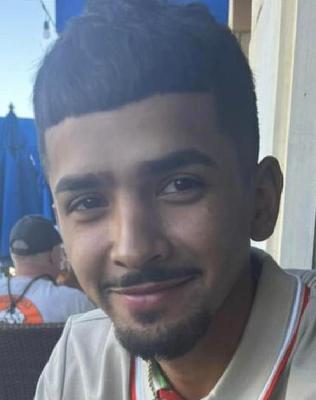
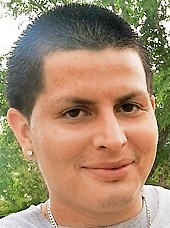
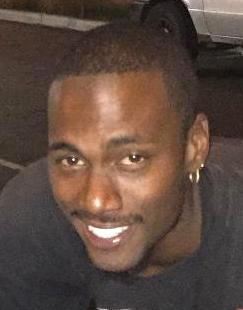
Delmarc Forrester was a 29-year-old Black man living in Phoenix, Arizona, when his life was cut short by gunfire on Christmas Eve in 2014. What should have been a day wrapped in anticipation and holiday routine instead became the date that would forever divide his family’s memories into a “before” and an “after.” The city carried on with its usual December rhythm, but for those who knew him, that day is now inseparable from the knowledge that he never came home.
In the years
since, the public traces of his life and death have largely taken the form of online memorials rather than detailed news accounts. On one such memorial page, his name appears alongside a simple note that he was lost to gun violence in Phoenix on that date, and relatives or friends have added that he was a father of three children, two boys and a girl. Those small fragments say little about his daily routines or ambitions, but they sketch the outline of a young father whose children were left to grow up with memories, stories, and photographs in place of his presence. Candles lit in his honor on the memorial site mark birthdays and anniversaries, each one a quiet signal that he is still missed and still spoken of.
Publicly accessible online records offer almost no detail about the circumstances of the shooting itself. Beyond confirming that he was killed with a gun in Phoenix on December 24, 2014, they do not describe where in the city the violence occurred, what led up to it, or who else might have been present. Citations to local news coverage exist in those memorial listings, but the underlying articles are not readily available through open archives, leaving only the knowledge that his death was briefly reported and then receded from public view.
Because of these gaps, the fate of the investigation is also obscure in the public record. Available online information does not indicate that a suspect has been publicly identified, arrested, or charged in connection with the killing, nor does it reflect any trial or conviction tied to his name. Taken together, the absence of reported developments and the way his story appears only on lists of people lost to gunfire suggest that, at least in the realm of publicly accessible information, his case has never been brought to a clear resolution.
What remains most visible is the way his name sits among many others on national listings of people killed with guns on that same day, a single line in a long roll of victims scattered across the country. Yet on his personal memorial page, each candle, each brief note, and each act of remembrance hints at a much larger story—of family gatherings rearranged around an empty place, of children growing older with a photograph instead of a father, and of a life that, though recorded in public databases only in the barest of terms, continues to echo in the private grief of those who loved him.