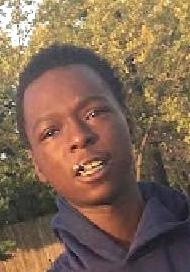
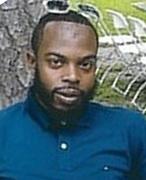
Robert Edward Teat III, a 31-year-old Black man from Wilmington, Delaware, was better known in the local music community as rapper Bobby Dimes. His song “Out Delaware” had made him a recognizable figure across the state, and his music often reflected the violence, imprisonment and loss affecting people around him. On the night of Monday, November 28, 2016, Teat’s life became part of the same cycle he had described in his work.
At approximately 8:40 p.m., Wilmington police were
called to the 2200 block of North Jefferson Street on the city’s West Side. Officers found Teat suffering from multiple gunshot wounds, including injuries to his head, arm and leg. New Castle County paramedics treated him at the scene before rushing him to Christiana Hospital in critical condition. Although some memorial records list November 28 as the date he was lost to gun violence, contemporary reporting states that he remained hospitalized overnight and died from his injuries on Tuesday, November 29.
News of the shooting spread rapidly through Wilmington’s music scene and across social media. Supporters initially posted messages hoping that Teat would recover, but those messages turned to grief after his death was confirmed. Friends and acquaintances remembered a performer who wanted to bring attention to Delaware’s hip-hop community. His death was reported as Wilmington’s 21st fatal shooting of 2016, adding another name to a year already marked by extensive gun violence in the city.
In the immediate aftermath, police released little information about what had led to the attack. Teat’s mother, Trudy Boardley, said she believed her son had been killed in retaliation. Her belief appeared to be connected, at least in part, to legal trouble Teat had faced shortly before his death. Court records cited in contemporary reporting showed that he had been arrested on November 2, 2016, and accused of shooting at a man during an incident in early October. That allegation had not resulted in a completed trial or conviction before Teat was killed, and it was never publicly established that the earlier incident directly caused his murder. His mother also suggested that envy surrounding his talent and growing local recognition may have contributed to the hostility against him.
Investigators did not publicly identify a gunman, provide a description of a suspect or announce a confirmed motive. Available reporting contains no verified record of anyone being arrested, charged, tried or convicted for Teat’s killing. The retaliation theory remained a family member’s belief rather than an official police conclusion, and no publicly documented evidence established who targeted Teat or whether more than one person participated. The case therefore remained publicly unresolved, with the identity of the shooter or shooters undisclosed.
Years later, Teat’s name surfaced in an unrelated murder prosecution involving the June 2016 killing of Allen Cannon. Delaware prosecutors said testimony and cellphone evidence showed that drug trafficker Brian Wilson had arranged Cannon’s murder through a $10,000 bounty and a conspiracy involving Eric Ray and Teat. Wilson was convicted in 2020 of first-degree murder, first-degree conspiracy and first-degree criminal solicitation. Those proceedings concerned Cannon’s death, not Teat’s killing, and the disclosures did not identify the person responsible for shooting Teat on North Jefferson Street five months later.