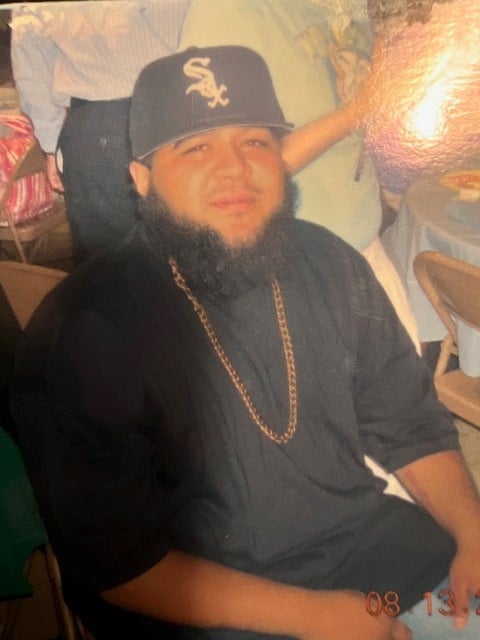
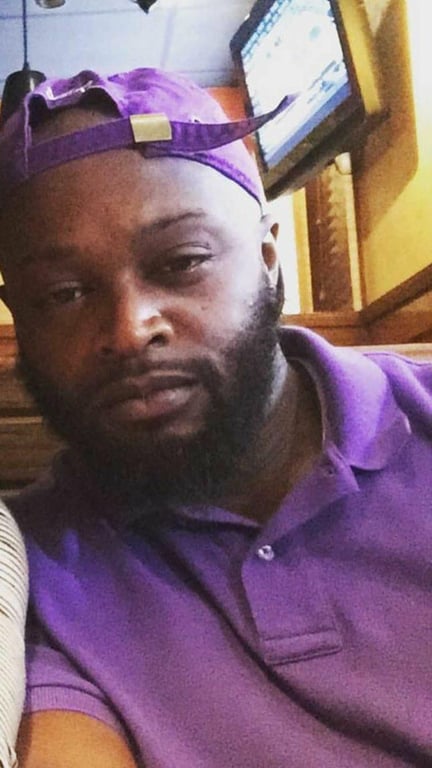
Kevis Tyler, a 31-year-old Black man, was fatally shot in Wilmington, Delaware, on the night of April 3, 2019. At approximately 9:01 p.m., Wilmington police officers were dispatched to the 1400 block of West Third Street in the city's Hilltop neighborhood after receiving reports of gunfire. When officers arrived, they found Tyler suffering from multiple gunshot wounds.
They immediately attempted to provide emergency aid before he was rushed to the trauma center at Christiana Hospital, where he died from his injuries.
The violence at the scene was extensive. Court records later revealed that Tyler had been struck by nine bullets. Investigators recovered 28 spent 9-millimeter cartridge casings, along with bullet fragments, from the area where he was found. Firearms examiners determined that all 28 casings had been discharged from the same weapon, indicating that a single firearm had been fired repeatedly during the attack. The amount of gunfire and the number of wounds Tyler suffered showed that the shooting had been a sustained and deliberate assault rather than a single impulsive shot.
For several weeks after the killing, authorities did not publicly release Tyler's identity. Wilmington police formally identified him later in April and asked anyone with information to contact Detective Brian Conkey of the department's Criminal Investigations Division. Conkey continued developing the case through witness interviews, forensic testing and other investigative work. According to subsequent court records, statements gathered from witnesses eventually directed investigators toward Terrell S. Mobley as the suspected gunman.
The investigation was strengthened when police recovered a firearm during an unrelated investigation. A Delaware State Police firearms examiner compared that weapon with the evidence collected from West Third Street and concluded that it had fired all 28 cartridge casings found at the scene of Tyler's killing. Prosecutors intended to use that ballistic evidence, together with the witness accounts, to connect Mobley to the shooting.
On February 17, 2020, Conkey presented the investigation to a New Castle County grand jury. The grand jury indicted Mobley on charges that included first-degree murder, first-degree reckless endangering, two counts of possession of a firearm during the commission of a felony, possession of a firearm by a person prohibited and possession of ammunition by a person prohibited. Initial police reporting described Mobley as 44 years old when the murder charge was announced. He was arraigned in New Castle County Superior Court, and his bail was set at more than $1 million cash-only.
Mobley did not have to be located and arrested anew when the indictment was returned because he was already being held at the Howard R. Young Correctional Institution. Wilmington police had taken him into custody in June 2019 on weapons charges, and he was also facing prosecution in connection with a separate October 2018 homicide. The accusation in Tyler's death therefore linked Mobley to a second Wilmington murder investigation while he was already incarcerated.
The prosecution of Tyler's case involved extensive disputes over the evidence. Mobley's defense sought to limit the testimony of the state's firearms examiner, arguing that the expert should not be permitted to describe the ballistic match with an unwarranted degree of certainty. The court rejected that effort, ruling that the firearms examination methodology was sufficiently reliable for the testimony to be presented to a jury. The defense also challenged whether prosecutors could use several of Mobley's earlier felony convictions to question his credibility if he chose to testify. The court ruled that the disputed convictions could be admitted for that limited purpose.
Available public records clearly establish that Mobley was arrested, indicted and prosecuted as the accused killer in Tyler's death. They also document the nine gunshot wounds, the 28 cartridge casings, the firearm comparison and the witness interviews that authorities said pointed toward him. However, the publicly accessible records reviewed do not provide a clear, verified final judgment showing that Mobley was convicted or acquitted of Tyler's murder. For that reason, he should be described as the charged suspect rather than as Tyler's convicted killer. The case nevertheless progressed far beyond an unsolved investigation: police identified a suspect, recovered what prosecutors alleged was the murder weapon and brought a first-degree murder prosecution based on both forensic and testimonial evidence.