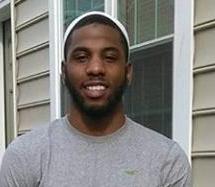
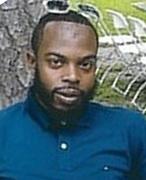
Quinton R. Dorsey, a 22-year-old Black / African American male from Wilmington, Delaware, was killed on the evening of July 2, 2021, in a sudden shooting on the 900 block of North Lombard Street. Police were called around 6:23 p.m. and found Dorsey suffering from gunshot wounds. He was taken to a hospital, but he died from his injuries. Online memorial and news records identify him as someone lost to gun violence that day, and later court records described him as a well-known local entrepreneur
connected to the clothing brand Bag Season.
The shooting happened in front of family. Court records later described Dorsey sitting on the front steps of 917 North Lombard Street with his grandmother and young cousins when a black car pulled up. Two armed men got out: the driver in a gray sweatshirt and another shorter man dressed in black. The man in the gray sweatshirt pushed Dorsey’s grandmother aside and shot Dorsey multiple times at close range, striking him in the head. The men then returned to the black car and fled. Dorsey’s 14-year-old sister witnessed the shooting and called 911, describing the shooter as a man in a gray hoodie. His grandfather also ran to the front door after hearing the gunfire and later described the shooter as wearing a hoodie and face covering, with a distinctive eyebrow marking.
Investigators quickly focused on the vehicle and witness identifications. Police recovered eight spent shell casings at the scene, and surveillance footage captured a black Nissan with heavily tinted windows moving toward Lombard Street moments before the shooting. A residential camera also caught the same black vehicle traveling near the scene. Within hours of the killing, Dorsey’s grandmother identified Israel Lecompte from a six-person lineup as the shooter.
The case grew larger as investigators linked Dorsey’s killing to a string of violent crimes and to the Wilmington-area gang NorthPak. Court records said Dorsey was considered a potential NorthPak target because he was friends with several people associated with a rival group and had honored fallen members in social media posts. Prosecutors later connected the black Nissan Maxima to multiple incidents, including robberies and shootings that occurred after Dorsey’s death. Ballistics evidence showed that shell casings from a July 4 shooting at 30th and Tatnall Streets matched the shell casings from Dorsey’s homicide, indicating the same 9 mm firearm had been used. Investigators also found that the stolen black Maxima was recovered on July 7 in Knollwood, described in court records as NorthPak-friendly territory, and Lecompte’s fingerprint was found on the driver’s side door.
On November 8, 2021, a grand jury indictment charged Israel Lecompte, then 18, with 38 felonies in the NorthPak case. The charges included two counts of first-degree murder, naming Quinton Dorsey and Matima Miller as the victims, along with robbery, firearm, conspiracy, reckless endangering, illegal gang participation, theft of a motor vehicle, and receiving stolen property charges. Prosecutors said the indictment was part of a broader effort to hold NorthPak members accountable for a trail of violence in Wilmington.
The case went to trial, and in April 2024 a New Castle County jury convicted Lecompte of 56 felonies. The convictions included two counts of first-degree murder for the deaths of Dorsey and Miller, 14 counts of first-degree reckless endangering, four counts of first-degree robbery, 21 counts of possession of a firearm during the commission of a felony, conspiracy counts, theft of a motor vehicle, receiving stolen property, disregarding a police officer’s signal, attempted assault, and illegal gang participation. The verdict made Lecompte the final defendant convicted in the state’s long-running NorthPak prosecution.
Lecompte was later sentenced to two mandatory life sentences plus 163 additional years for the murders of Dorsey and Miller and the remaining felony convictions. He had also previously received a separate 27-year sentence after pleading guilty in another 2021 killing. In 2025, the Delaware Supreme Court reviewed Lecompte’s appeal and affirmed the judgment, leaving the convictions in place.