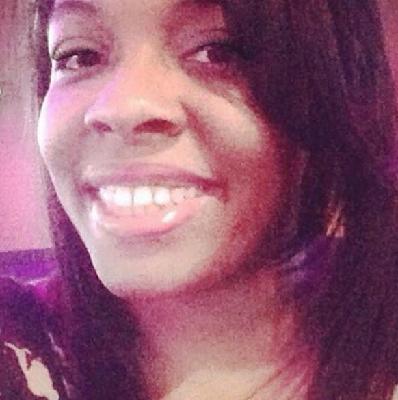
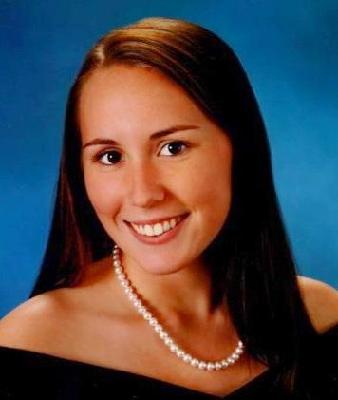
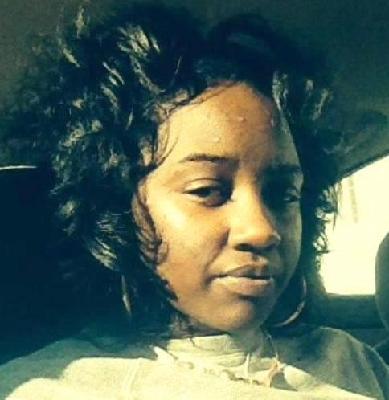
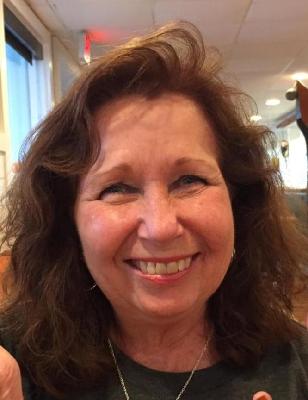
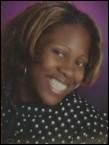
Camay Mitchell DeSilva, an 18-year-old female who was Black/African American, had gone to Delaware State University in Dover, Delaware, during what should have been a hopeful visit connected to her future. She was not a student there, but she was reportedly visiting the campus, staying with a friend, and considering Delaware State University as a place where she might continue her education.
Public reports described her as a prospective student with an interest in cybersecurity, and her family later spoke of wanting her remembered for the life she lived rather than only for the violence that ended it.
In the early morning hours of April 21, 2024, gunfire broke out near Warren-Franklin Hall on the Delaware State University campus. Police and campus authorities responded after reports of shots fired, and Camay was found suffering from a gunshot wound, described in different reports as being to the upper body or head. She was taken to Bayhealth Kent Campus, where she died from her injuries. Authorities later said she was not the intended target, but an innocent bystander caught in a dispute that escalated into violence.
The shooting prompted an immediate campus response. Delaware State University closed the campus for April 21 and April 22, increased patrols, and made counseling services available. University leadership publicly condemned the violence and extended condolences to Camay’s family, while investigators continued working to identify who was responsible. The early public information made clear that Camay’s death was being treated as a homicide and that police were seeking help from anyone who knew what happened.
Within weeks, Dover police announced arrests in the case. Destry Jones, then 20, and Damien Hinson, then 18, both of Dover, were charged in connection with Camay’s killing. Authorities said the two men were not Delaware State University students. Police alleged that Jones and Hinson had become involved in a physical altercation with others before shots were fired, and one of those bullets struck Camay. Jones was arrested in Brooklyn, New York, while Hinson was arrested in Dover. The charges reported at the time included murder, attempted murder, conspiracy, and firearm-related offenses.
Investigators later described the confrontation as stemming from a dispute over money that turned violent. Camay’s death was not portrayed as the result of a direct conflict involving her, but rather as the devastating outcome of gunfire connected to someone else’s dispute. That detail became central to the public story of the case: she had come to campus as a visitor with plans and possibilities ahead of her, only to be killed by violence that authorities said was not meant for her.
The case eventually moved from arrests to convictions. In September 2025, Damien Hinson pleaded guilty to second-degree murder, conspiracy, and a firearm charge. He was sentenced to 40 years in prison. Destry Jones pleaded guilty to manslaughter, conspiracy, and firearm-related charges, with his sentencing reported as pending for December 2025. Prosecutors said the convictions followed their indictments in Camay’s death and described the shooting as a senseless act that took the life of a young woman who was bright, loved, and full of promise.
Camay Mitchell DeSilva’s death began as a campus tragedy in Dover and became a criminal case against two local men accused of turning a dispute into gunfire. The public record shows that she was visiting Delaware State University, not seeking conflict, when she was struck and killed. The arrests of Destry Jones and Damien Hinson, followed by their guilty pleas, gave the case a measure of legal resolution, but the facts reported by police, prosecutors, and news outlets continue to frame Camay as an innocent bystander whose life was cut short before she had the chance to begin the future she was exploring.