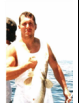
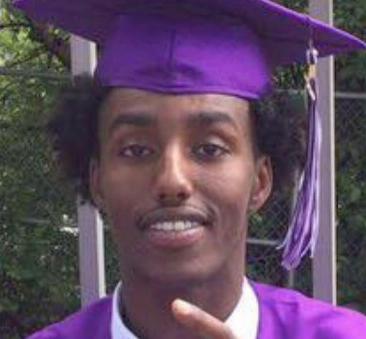
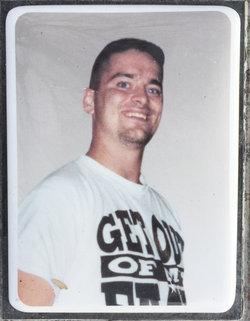
In the pre-dawn hours of August 1, 2011, the life of Allen Patric "Macdaddy" MacLean, a 41-year-old White / Caucasian male from Portland, Maine, was tragically cut short. In the vicinity of Congress Street and Massachusetts Avenue, a gunshot shattered the early morning quiet. Witnesses reported hearing the shot around 4:20 a.m., followed by the harrowing sight of MacLean running across Congress Street, crying out, "I'm dying, I'm dying!"
He collapsed in front of a gas station and was pronounced dead at the scene. The cause of death was determined to be a single gunshot wound to the chest.
For a decade, the case of Allen MacLean's death remained unsolved, leaving his family with unanswered questions and a lingering sense of grief. MacLean was remembered by his loved ones as a warm-hearted and loving person who cherished the outdoors. He had a passion for fishing, playing basketball, and writing poetry. His unexpected death left a profound void in the lives of his family, including his daughter, who lost her father and a fishing companion.
A significant breakthrough in the cold case came in August 2021 when a grand jury indicted Abdi Awad for the murder of Allen MacLean. At the time of the indictment, the 35-year-old Awad was already incarcerated at the Maine State Prison, serving a sentence for an unrelated assault. The indictment specified that MacLean was shot with a. 380 auto Kel-Tec semi-automatic pistol. The investigation suggested that the shooting occurred in an alley next to an apartment building where a party had taken place earlier that night.
In August 2023, Abdi Awad pleaded guilty to felony murder in connection with MacLean's death. The following month, he was sentenced to 30 years in prison, with all but 11 years suspended, to be followed by four years of probation. During the sentencing, MacLean's family had the opportunity to express the deep and lasting pain his loss had caused them. Awad, in his own statement to the court, accepted accountability for his actions and expressed his regret. He spoke of his personal transformation during his time in prison, where he had earned multiple degrees.