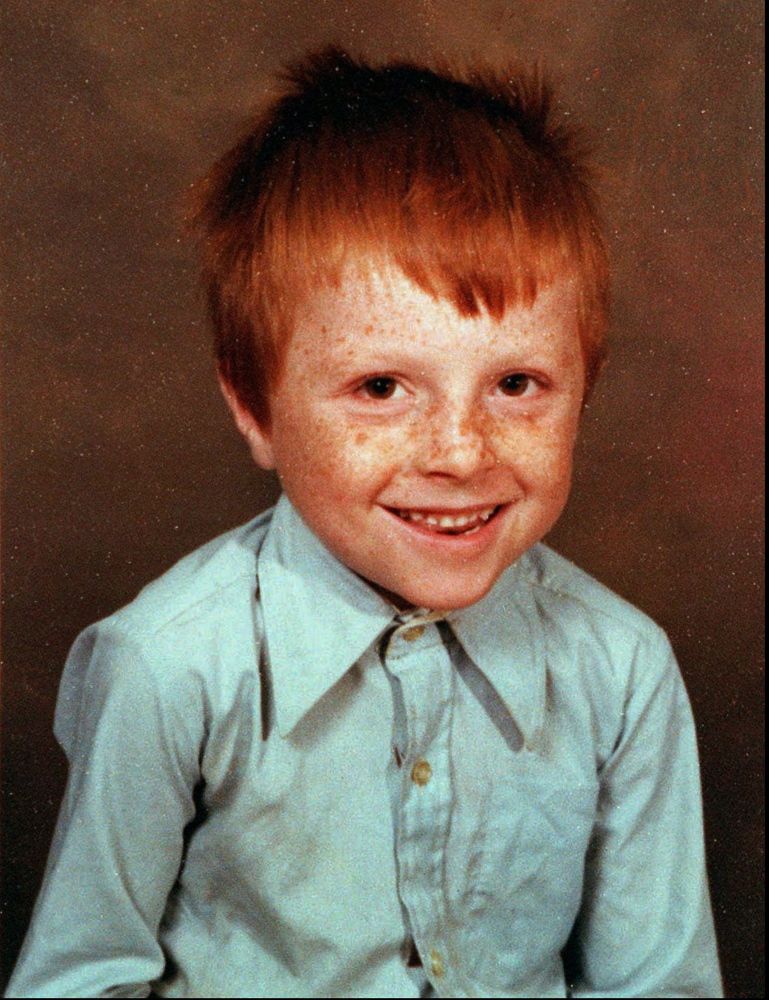
In the late hours of a November night in Portland, Maine, the life of 20-year-old Josh Dyer was brought to a sudden and violent end. On November 9, 2003, Dyer, a male, was shot and killed outside of his home. The incident was rooted in the city's drug trade, a world in which Dyer had become involved.
The events leading to the fatal confrontation began with a drug transaction earlier that day.
An admitted cocaine dealer named Pedro Santiago, then 30 years old, claimed that Dyer worked for him selling cocaine. According to Santiago, they met in a parking lot for Dyer to purchase a few grams of cocaine. However, instead of completing the payment, Dyer allegedly dropped a wad of cash that was $140 short and sped off.
Prosecutors argued that this act enraged Santiago, leading him to plan to kill Dyer. A few hours later, Santiago, armed with a 9-millimeter handgun, confronted Dyer outside of his apartment. The encounter ended with Dyer suffering a single gunshot wound to the forehead. Pedro Santiago was subsequently arrested and charged with murder.
During the ensuing six-day murder trial in Cumberland County Superior Court, jurors were presented with conflicting narratives. The prosecution, led by Assistant Attorney General Lisa Marchese, portrayed the shooting as an execution-style killing, a direct result of Santiago's anger over the drug money dispute. In contrast, Santiago's defense claimed he acted in self-defense. Santiago testified that Dyer was the first to pull a gun and that his own weapon discharged accidentally during a struggle. He maintained that he was not angry with Dyer, stating that being shorted on money was a common occurrence in the life of a drug dealer.