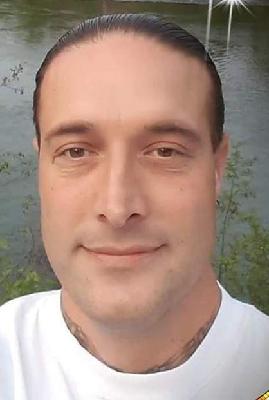
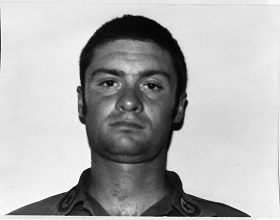
In the early hours of March 3, 2020, the life of 39-year-old Michael Haines was tragically cut short in his Cambridge, Vermont home. A dispute that began over stolen drugs escalated, culminating in a fatal shooting that would lead to a federal conviction. Michael, a male, was at home with his fiancée, Amy Pudvah, and her two children when the events that led to his death began to unfold.
Earlier that day, Pudvah had picked up Taylor Ruffin Herrington, a man known as "Tee" from
Philadelphia, at Haines's request and brought him back to their residence. Haines and Herrington spent time together before heading to Burlington. However, Haines later returned to Cambridge without Herrington, and it was during this time that Haines showed a friend a large amount of heroin.
The situation took a grim turn around 2:50 a.m. when Haines and Pudvah contacted the Vermont State Police, reporting that Herrington was trying to get into their home. Herrington briefly left but soon returned, demanding a duffle bag that Haines then threw over the back deck. Shortly after, while still on the phone with a state trooper, Haines was shot. Pudvah, who was also in the house, ran upstairs to be with her children after the shot was fired.
An autopsy later confirmed that Michael Haines died from a gunshot wound to the abdomen, and his death was ruled a homicide. The investigation, led by the Vermont State Police and the Federal Bureau of Investigation, quickly identified Taylor Ruffin Herrington as the suspect. Believing that Haines had stolen his heroin, Herrington had fired six shots at the front of the house. One of these bullets penetrated the residence and struck Haines in the kitchen, leading to his death.
Herrington was arrested in Philadelphia in March 2020. He later pleaded guilty to using a firearm in connection with a drug trafficking crime which caused the death of Michael Haines, as well as conspiracy to distribute heroin and cocaine base. In March 2023, Taylor Ruffin Herrington was sentenced to 150 months in federal prison, to be followed by four years of supervised release.