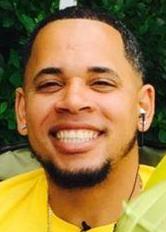
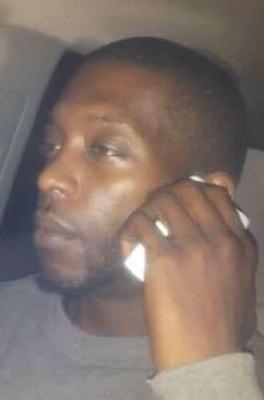
On a spring evening in Providence, Rhode Island, the life of 22-year-old Kevin N. Jr., a Black male, was tragically cut short. On May 15, 2015, he was shot multiple times outside a hookah lounge on Allen's Avenue. Responders rushed him to Rhode Island Hospital, but he was pronounced dead shortly after arrival. Another man was also injured during the incident, which saw about a half-dozen shell casings recovered at the scene.
The shooting immediately plunged a family and a community into mourning and launched a complex police investigation.
In the immediate aftermath, the hookah bar where the shooting occurred faced scrutiny. The establishment was temporarily closed by the Providence Board of Licenses due to the violence. However, the case against the lounge was dropped just days later due to a lack of evidence directly linking the establishment to the murder. Investigators were faced with the challenge of a gunman still at large and the fear of escalating violence in the neighborhood.
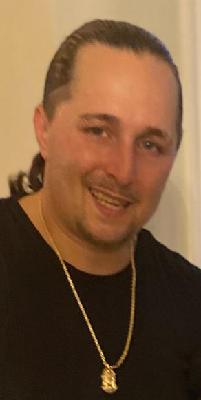
A heart-wrenching turn of events followed just a few months later, deepening the family's grief. Kevin's 24-year-old half-brother, Christopher Mann, was found murdered in Brockton, Massachusetts. He had been shot once, and his body was discovered in the backyard of an abandoned house. This second tragedy prompted investigators in both Rhode Island and Massachusetts to explore a possible connection between the two brothers' violent deaths. Police in Providence did arrest two men in connection with a volley of gunfire that was believed to be in retaliation for Kevin's murder, though no one was injured in that incident.
Despite the arrests for the retaliatory shooting and the ongoing investigation into the potential link between the two slayings, Kevin N. Jr.'s murder officially remains unsolved. At the time of the initial investigation and in the years that have followed, no suspects have been publicly identified or charged with his killing. The case, along with that of his half-brother, represents a painful and unresolved chapter for their family and the communities affected by their deaths.