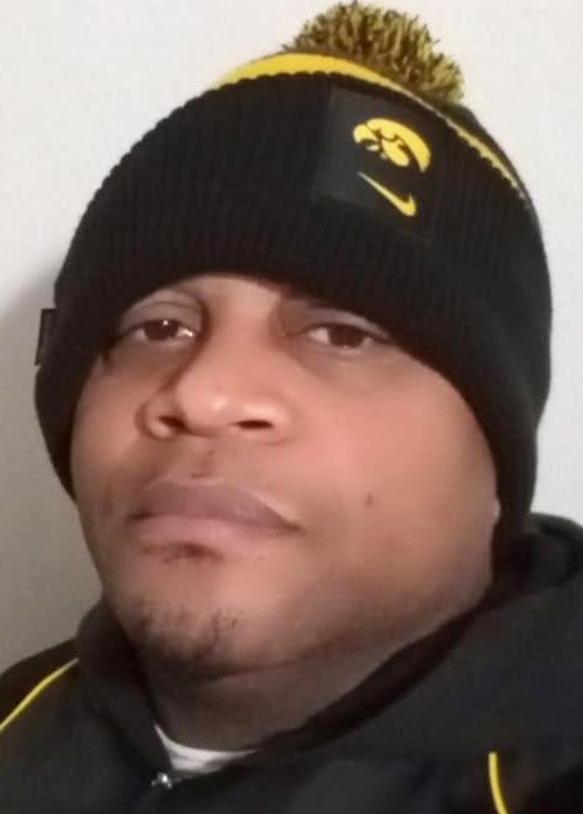
In the early hours of Sunday, November 5, 2017, Sioux Falls woke to the kind of call that makes a neighborhood hold its breath: police were sent to a home in the 1800 block of West 10th Street after reports of a shooting. Inside that residence, Joel Ashby, a 34-year-old white man, had been shot, and by the time officers arrived—reported as around 1:48 a.m.—he was already dead.
Police indicated that everyone involved had been located and that there was no ongoing threat to the public as investigators began sorting through what happened in those final moments.
As the shock settled in, the details that emerged were mostly the stark, procedural facts that follow gunfire: the address block, the hour, the confirmation that the scene was contained, and the promise of more information once detectives could interview those present and reconstruct the sequence of events. The case was described as still under investigation at the time, with authorities signaling that additional information would come later through official briefings.
Away from the police lights and tape, the outlines of Joel's life were carried in memorial notices. He was remembered as someone who had built a home in the region, with family and friends gathering for visitation and services in the days that followed. The funeral home notice and obituary listings place him in Sioux Falls at the time of his death and reflect the routines of mourning—scheduled hours to receive condolences, a memorial service, and burial arrangements—while those closest to him tried to make sense of a loss that arrived suddenly and violently.
Publicly available reporting located in accessible sources does not describe any announced arrest, named suspect, or filed criminal charges connected to his death, beyond the early statement that all involved parties had been located and that the public was not in danger. In other words, what remains in view from open sources is the scene and its aftermath—an early-morning shooting at a West 10th Street residence, a man found dead at the location, and an investigation that, at least in the material available without restricted access, does not culminate in a publicly documented arrest or prosecution.