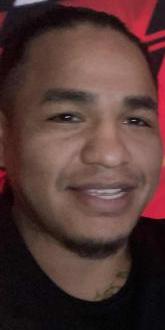
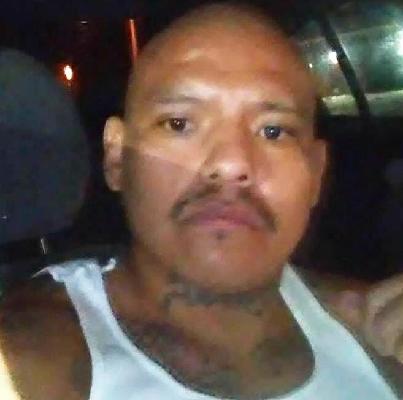
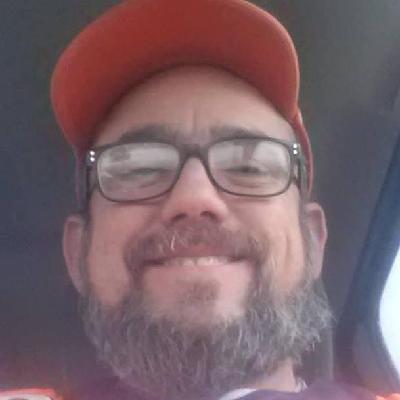
Richard Abeyta, a 28-year-old Hispanic man from Casper, was caught in a volatile chain of events on the night of August 9, 2014, at a gathering in the 400 block of North Washington Street where alcohol was flowing and tensions were already close to the surface. According to contemporaneous reporting and court filings summarized in those reports, the trouble began after Charlie Mapp returned with more alcohol, and Abeyta accused him of making advances toward Abeyta’s girlfriend.
What started as an argument turned deadly outside the house. Investigators said Mapp went to his vehicle, retrieved a. 38 revolver, and shot Abeyta once in the head from several feet away. Abeyta was taken to Wyoming Medical Center, placed on life support, and died the next day, August 10, 2014, from the gunshot wound.
The case moved quickly in its early stage. Mapp was identified by police as the shooter, arrested, and charged in Natrona County Circuit Court with second-degree murder. His bond was set at $150,000 cash or surety. Early reporting on the affidavit painted the shooting as stark and direct, with prosecutors saying there had been no physical contact and no threat by Abeyta before Mapp armed himself and fired. In that version of the case, the fatal shot came after words, suspicion, and drinking had turned a backyard-style gathering into a homicide scene. Family members were present in court when the charge was announced, and the case immediately took on the shape of a serious murder prosecution rather than a mystery about who had pulled the trigger.
But as the months passed, the story inside the courtroom grew more complicated. Mapp at one point agreed to plead guilty to voluntary manslaughter under a deal that would have capped his prison exposure at eight years, yet the judge rejected that agreement. Reports said the court took issue with the fact that Mapp had been intoxicated and that a firearm had been used, forcing the case back onto the track toward trial. That rejection mattered because it meant the prosecution had to prove murder to a jury, and the defense had the opportunity to rebuild the shooting as a moment of fear rather than one of simple retaliation.
At trial in September 2015, the defense leaned hard into self-defense. Jurors heard that both men had been drinking and that witnesses’ memories were clouded by intoxication. Defense lawyers argued Abeyta had threatened to kill Mapp, that Mapp went outside, and that Abeyta later charged at him, leaving only seconds to react. Prosecutors countered that Mapp had chances to leave and instead stayed, armed himself, and fired. The state also highlighted testimony that Mapp had been uncooperative with officers and that crime-lab analysis placed his blood alcohol content somewhere between. 12 and. 23. It became a case built not around identity, because the shooter was known from the beginning, but around perception: whether the older man had genuinely believed he was cornered, or whether he had escalated a drunken argument into an irreversible killing.
In the end, there was an arrest, a named suspect, and a full prosecution, but no conviction. On September 17, 2015, a Natrona County jury acquitted Charlie Mapp of both second-degree murder and manslaughter. The defense’s self-defense theory prevailed, and Mapp walked free. So the official arc of the case closed not with a sentence, but with an acquittal: Richard Abeyta was shot after a dispute rooted in jealousy and alcohol, Charlie Mapp was arrested and charged as the killer, and after the plea deal fell apart, jurors decided the state had not proven beyond a reasonable doubt that the shooting was criminal rather than justified.