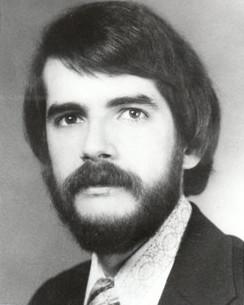
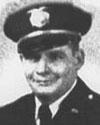
Michael Brody Robbins, a 35-year-old man from Cheyenne, Wyoming, had built a life that braided together family ties, Army service, and the quieter routines of home. He was born in Greeley, Colorado, had lived in Cheyenne for about a decade, and had served in the U.S. Army, including deployment to the Iraq War. In the memories left behind, people spoke of his love for poker and chess and the Denver Broncos, the kind of everyday passions that made him feel familiar to those who knew him.
In the early hours of November 14, 2017, the night turned violent at a residence on Avenue B-2 in Cheyenne. Deputies were dispatched after a 911 call from Cody Hess, who reported that he had just shot his roommate. Investigators identified Robbins as the man who had been renting a room from Hess’ family. Authorities described a confrontation that began after Robbins came home intoxicated and escalated into a scuffle and argument.
According to law-enforcement accounts reported at the time, Hess said he shot Robbins three times with a 9mm handgun he was carrying. An autopsy later documented gunshot wounds centered in the chest area, with one shot also grazing a hand. Hess was arrested the same day on a second-degree murder allegation, and the case was referred to prosecutors as investigators awaited toxicology results and continued interviewing witnesses.
As the case moved into court, the prosecution’s path became less straightforward. Reports described Hess facing second-degree murder alongside an alternative charge of voluntary manslaughter, while his defense maintained he acted in self-defense—arguing Robbins attacked him and reached for the gun. A judge later determined the evidence did not show “malice,” a required element for second-degree murder, and prosecutors grappled with how the charging structure should proceed.
By mid-2018, the case took a decisive turn: prosecutors asked to dismiss the matter, saying the evidence did not pan out, and a judge signed the dismissal. The filing was made without prejudice, meaning charges could be refiled later, but the public record reflected at that moment was a case dropped after the initial arrest and months of legal wrangling, leaving Robbins’ death marked not only by the gunshots that ended his life, but by a prosecution that ultimately did not continue.