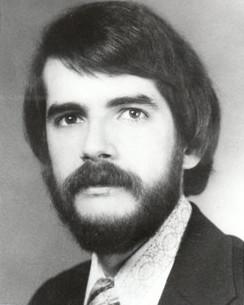
Jack Norwood Jernigan, a 29-year-old White male police officer in Cheyenne, was drawn into a sudden and tragic confrontation late on March 4, 1954, when he and two Air Force policemen answered a disturbance call at a local restaurant around 10:30 that night. The trouble reportedly began after a young airman, upset during an argument involving a waitress and a rejected marriage proposal, turned the restaurant into a scene of rising tension.
What should have been a routine effort to calm an agitated man instead hardened into a few violent seconds that ended Jernigan’s life.
Accounts that survive online agree on the broad shape of what happened next. As officers tried to settle the man down, the suspect attempted to seize one of the officers’ weapons. Jernigan moved to protect the others, pushing an Air Force policeman out of danger and drawing his own gun. Gunfire erupted inside the restaurant. Jernigan was struck in the chest, but even as he fell he returned fire, and the exchange mortally wounded the suspect as well. One memorial account preserves his shouted warning to the others to get the guns, a small detail that makes the moment feel less like distant history and more like a desperate struggle unfolding in real time under bright lights and panic.
The suspect is identified in archival newspaper coverage as Robert Levine, a 20-year-old airman from Jamaica Plain, Massachusetts. Because Levine was himself fatally wounded in the shootout and was reported dead on arrival at the hospital, the case did not develop into the kind of long investigation marked by arrests, formal charges, trials, or convictions against surviving defendants. In practical terms, the suspect in Jernigan’s killing was identified immediately at the scene, and the matter ended there because both men died from the exchange of gunfire.
Jernigan’s death has been remembered less as an unsolved mystery than as a line-of-duty killing shaped by split-second courage. Later law-enforcement memorials from the Cheyenne Police Department and officer remembrance organizations describe the same essential story: a patrolman stepping between danger and others, drawing his weapon only after the suspect tried to take control of an officer’s gun, and paying for that decision with his life. The details that remain are stark and sorrowful, but they leave behind a clear picture of the final moments of Jack Norwood Jernigan, a young officer whose last act was to shield the men beside him while confronting the man who killed him.