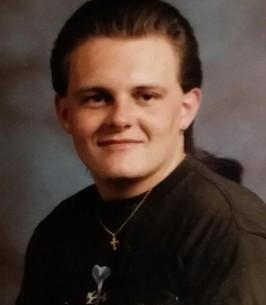
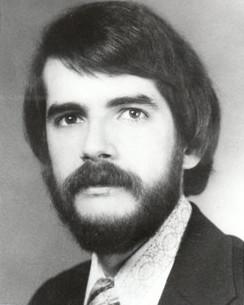
Michael Alan Tolar, a 44-year-old white man, died in Cheyenne, Wyoming, on October 1, 2019, only days shy of what would have been his 45th birthday. Born October 25, 1974, he grew up in Dubois and graduated from Dubois High School in 1993, carrying with him the small-town ties and familiar rhythms of Wyoming life even as adulthood pulled him into new places and new circles.
Just after midnight, Cheyenne police were sent to Romero Park on Parsley Boulevard after receiving information that a homicide had occurred. In the park’s parking lot, officers arrived to a scene that was already silent: three people were dead from apparent gunshot wounds, and among them was Michael Tolar. The first hours were about securing the area, confirming identities, and beginning the careful reconstruction of what had happened in those last moments when the night should have been quiet.
Investigators quickly focused on a meeting that had taken place there. In the preliminary account released through reporting on the investigation, detectives believed Brian Perkins, 46, had met Michael Tolar and Abigail Smith, 24, at the park, and that the encounter ended in sudden violence. The sequence described by police was stark: Perkins shot Smith and Tolar, then turned the gun on himself, leaving no chance for officers to intervene and no suspect to take into custody.
Because the suspected shooter died at the scene, there were no arrests and no later court proceedings for the killings. Rather than a pursuit, the investigation became a matter of establishing motive, documenting relationships, and confirming timelines through witness interviews and evidence—work that is still painstaking even when the central question of “who” seems answered. Police indicated they were considering personal relationships as a motivating factor, suggesting the meeting was not random but anchored in connections that, for reasons only partly knowable afterward, had reached a breaking point.
In the aftermath, what remained publicly was the contrast between a life story and a sudden end: a man with a defined past—family, hometown, graduation year, and the ordinary milestones that shape a person’s identity—colliding with a late-night gathering that ended in gunfire. For those who knew Michael Tolar, the details of his upbringing and the fact of his death now sit side by side, the first describing a life that unfolded over decades, the second marking the moment it was taken in an instant.