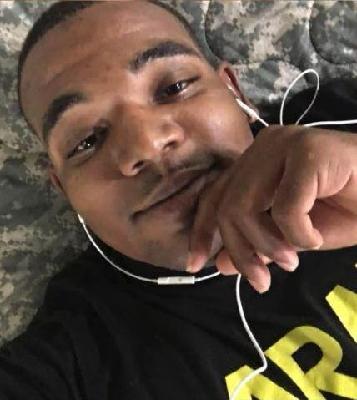
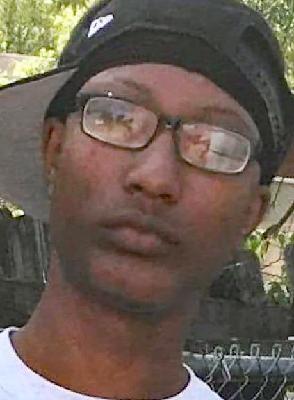
On the evening of June 22, 2007, a 12-year-old Black male named DeAunta Terrel Farrow, affectionately known as 'Tae Tae,' had just graduated from the sixth grade and was walking with his 14-year-old cousin in West Memphis, Arkansas. The two boys had stopped at a gas station convenience store to buy soda and chips and were heading to the cousin's home at the nearby Steeplechase Apartments.
As they neared the apartments, two undercover West Memphis police officers, Erik Sammis and Jimmy Evans, who were on a narcotics stakeout, emerged from behind a dumpster and confronted the boys.
What happened next is a matter of dispute. The police officers stated that they saw a bulge in Farrow's pocket and that he pulled out what appeared to be a gun, making a gesture that caused Officer Sammis to fear for his life and the life of his partner, prompting him to shoot the boy. They later said they discovered it was a toy gun only after the shooting. However, eyewitnesses, including Farrow's older brother who was watching them approach, claimed that the boy was only carrying the soda and chips he had just purchased and presented no threat. Farrow was shot twice by Officer Sammis and died at the scene. According to a special prosecutor, the boy's last words were, 'It's just a toy.'
The death of DeAunta Farrow sparked immediate outrage and protests within the West Memphis African American community. Hundreds of residents attended a police commission meeting demanding answers, and 1,500 mourners, including Reverend Al Sharpton who gave the eulogy, attended his funeral. Farrow's mother filed a $125 million lawsuit against the West Memphis Police Department. Despite the public outcry and conflicting accounts of the shooting, no criminal charges were filed against the officers involved. Following an investigation, a special prosecutor for the Arkansas State Police announced that there was no evidence to support criminal charges against Officer Sammis or his partner, stating that the officers had followed protocol. Subsequently, the U.S. Department of Justice also conducted its own investigation and concluded in April 2011 that the officers had acted properly under the circumstances and could not be held liable for Farrow's death.