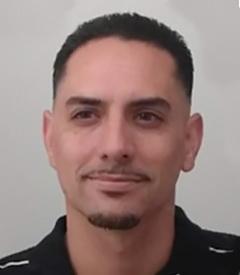
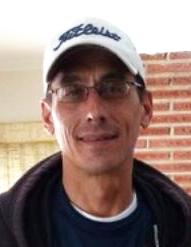
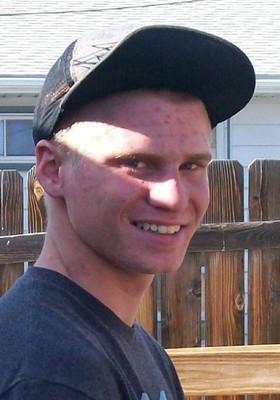
Adrien Butler, 37, a Black man, was killed on the afternoon of September 16, 2019, when gunfire tore through a small home on East 11th Street in Cheyenne, Wyoming. Officers were called to the residence around 4:30 p.m. and found a chaotic scene that left two adults dead and two teenage boys gravely wounded. Butler and Shaline Wymer were found with fatal gunshot injuries, while the two 14-year-olds—who did not live at the home and were not related to the victims—were rushed to emergency
care, one of them so badly hurt he was flown to a children’s hospital in Colorado.
Investigators quickly began treating the shooting as more than a random burst of violence. Police said the address had generated prior calls that pointed toward a possible drug connection, and the details that emerged painted a tense encounter that escalated in seconds. According to court records described in local reporting, Andrew Weaver went to the house intending to trade a gun for drugs, another firearm, or money, and he told officers he had bought methamphetamine from Butler in the past. Inside, questions about the gun and its condition turned the moment brittle; Weaver later claimed he felt threatened, loaded the weapon, and started firing as people moved around the room. In the middle of the gunfire, Armando Butler was shot at but avoided being hit by dropping to the floor—only to have Butler collapse onto him after being struck.
Within a couple of hours, law enforcement spotted Weaver in a nearby field and took him into custody after he surrendered. Reports say he was found with a silver-and-black Smith & Wesson 9mm handgun, and he indicated it was the weapon used in the shootings. As the initial shock settled into paperwork and hearings, prosecutors filed a slate of charges: two counts of second-degree murder, an attempted second-degree murder count, and aggravated assault and battery counts tied to the wounded teens. A judge set bond at $1 million cash.
In the days that followed, the case drew fresh scrutiny for what had happened just before the killings. Weaver had been arrested on September 8, 2019, on misdemeanor theft and misdemeanor methamphetamine possession allegations, but prosecutors declined to proceed and he was released on September 11—five days before the shooting. Court documents summarized in coverage said the earlier arrest involved an alleged theft of a 9mm handgun, and officers also reported finding methamphetamine; Weaver reportedly told law enforcement he was under the influence and suicidal at the time.
The investigation expanded beyond state court. Federal prosecutors announced that a grand jury indicted Weaver on a firearm charge—felon in possession—stemming from the September 16 shooting, and the U.S. Attorney’s Office said federal agencies were working alongside Cheyenne police as the broader case continued to develop. Meanwhile, in state court, the allegations and potential penalties shifted as the matter progressed; by June 2020, Weaver had been bound over on amended charges that included two counts of first-degree murder, attempted first-degree murder counts, and other serious felonies, with reporting noting he could face the death penalty if convicted under those filings.
The case ultimately ended not with a jury verdict, but with a negotiated resolution. In mid-August 2021, Weaver entered guilty pleas as part of a plea agreement—pleading to two counts of second-degree murder, three counts of attempted second-degree murder, and one count of aggravated assault—and was sentenced to life in prison in Laramie County District Court. The punishment closed the courtroom chapter, but it could not unwind what happened in that East 11th Street home: a drug-tinged dispute, a stolen gun, and a sudden storm of bullets that killed Butler and left two teenagers carrying the wounds into adulthood.