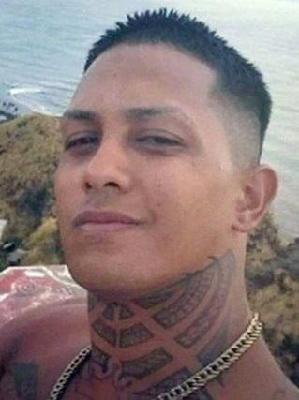
Jarron Crowell was a 28-year-old Native Hawaiian man from Waianae, and in the early hours of December 19, 2021, his life ended in violence at the Waianae Boat Harbor. Not long after midnight, the harbor parking area became the setting for a confrontation that, by the time it was over, left Crowell riddled with gunfire. Emergency crews rushed in after calls for help, but the wounds were catastrophic; responders reported multiple gunshot injuries to his torso, and he was pronounced dead at the
scene.
As daylight came and the community tried to make sense of what had happened, investigators worked backward through the chaotic moments that led to the shots. Police sources described a scene in the parking lot where Crowell had been seen in a fight with four other people shortly before the gunfire erupted, an account that painted the killing as the brutal climax of a fast-moving clash rather than a random strike. The harbor, normally a place of routine and rhythm, became a taped-off crime scene—another West Oahu night that didn't end when it should have.
The case quickly centered on Zaysten Vincent. In the days after the shooting, Vincent was arrested and prosecutors filed serious charges, accusing him of murder and alleging additional firearm-related crimes; authorities also reported a $1 million bail. Records and later reporting suggested the legal path wasn't perfectly straightforward—questions lingered about whether there had been an earlier arrest and release while investigators and prosecutors worked through the evidence and what could be proved beyond doubt.
Time passed, but the case did not fade. Instead of ending with the original murder charge, it pivoted in court: Vincent ultimately pleaded guilty to manslaughter, acknowledging that he had recklessly caused Crowell's death. The plea also covered a separate firearm offense tied to having a loaded revolver at the harbor, and, as part of the agreement, at least one firearm charge that had accompanied the original filing was dropped.
In April 2024, the case reached its sentencing chapter. A judge imposed a 20-year prison term for the manslaughter conviction, and an additional 10-year sentence for the firearm offense, with credit for time already served. The final outcome carried the weight of a long arc—beginning in the darkness at the harbor and ending years later in a courtroom—leaving a record that traced how a deadly flash of violence became a conviction, a plea, and decades behind bars.