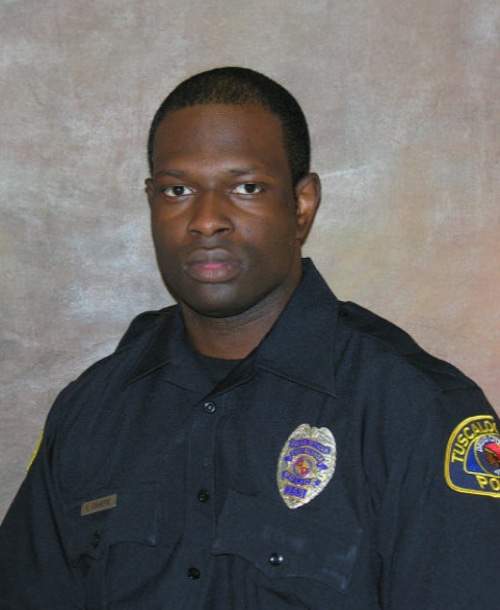
In the late summer of 1914, a confrontation outside a dance hall in Tuscaloosa, Alabama, ended the life of Officer Wil G. Thrower. On August 30th, while engaged in a conversation with another person, Officer Thrower was approached by a man who began to argue with him. The argument escalated tragically when the man drew a handgun and shot Officer Thrower four times.
The shooting occurred at 1926 Dinah Washington Avenue, outside a venue known as The Green Fly dance hall.
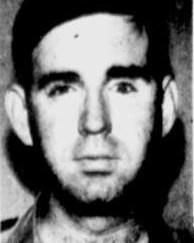
The investigation into Officer Thrower's death revealed a history between the officer and his assailant. Officer Thrower had been involved in investigating the suspect for violations of prohibition laws. Following the shooting, the suspect turned himself in to the authorities. It was discovered that this was not the suspect's first encounter with law enforcement regarding a violent crime; he had previously been charged with the murder of Officer J.A. Mansfield on November 20th, 1912, though he was acquitted of that charge.
The legal proceedings that followed Officer Thrower's death were lengthy, with the case going through five separate trials. Ultimately, the suspect was not convicted of murder but was found guilty of manslaughter. For his role in the death of Officer Wil G. Thrower, he was sentenced to serve three years in prison. The tragic story of the Thrower family did not end there, as Officer Thrower's brother, Deputy Sheriff John Thrower, was also killed in the line of duty with the Tuscaloosa County Sheriff's Office on August 17, 1920.