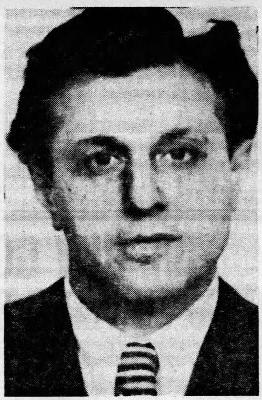
In the spring of 1931, the vibrant and tumultuous life of the celebrated artist Ralph Waldo Emerson Barton came to a tragic end in his East Midtown Manhattan penthouse. At the age of 39, the man whose caricatures had deftly captured the spirit of the Jazz Age turned a gun on himself. On May 19, 1931, Barton, a male, died from a self-inflicted gunshot wound to the right temple.
His death was a shock to the public who had come to know him through his witty and incisive illustrations that graced the pages of prominent magazines like The New Yorker, Vanity Fair, and Harper's Bazaar.
Barton's final act was accompanied by a suicide note that offered a glimpse into the despair that had consumed him. In his own words, he explained his decision was not the result of a single event or the fault of any one person, but rather a culmination of his own internal struggles. He cited his 'pending appointment with the dentist' and a shortage of cash as trivial reasons the gossips might seize upon, but the deeper reasons were far more profound. He wrote of irrevocably losing 'the only woman I ever loved,' a reference to the actress Carlotta Monterey who had divorced him years earlier and married playwright Eugene O'Neill. Barton also expressed a fear that his worsening bipolar disorder was leading him toward insanity.
The authorities found no evidence of foul play, and the circumstances of Barton's death led to the immediate conclusion of suicide. There were no arrests made, and no suspects were ever considered, as Barton himself had made it clear that he alone was responsible for his actions. He left a second note for his housekeeper, apologizing for the meager sum of $35 he was able to leave her, a poignant final detail in the life of a man who had achieved great success but was ultimately overcome by his personal demons. His death marked the end of an era, silencing a unique artistic voice that had so brilliantly defined a generation.