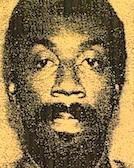
Daniel Nowomlynski, a 32-year-old man, died in New York, New York, on September 16, 1977, after a long, uneven fight to survive injuries that began with a sudden eruption of street violence. In the account preserved on law-enforcement memorial sites, what ended his life was not a single instant, but a chain of damage that kept tightening its grip as the months passed.
The assault that set everything in motion came when he moved to assist another officer and was confronted by members of a motorcycle gang. He was attacked in a rush—knocked down amid a flurry of blows—then struck in the head with a steel helmet. As he struggled on the pavement, another assailant jumped from the top of a car onto his stomach. The injuries described were catastrophic: internal trauma and a fractured skull, the kind of harm that can linger even after the immediate scene clears and the sirens fade into distance.
Afterward, the surviving became its own ordeal. The same sources recount that he suffered headaches and convulsions and that his condition persisted for nearly a year, suggesting a slow deterioration rather than a clean recovery. Ultimately, he succumbed to the injuries on September 16, 1977, his end of watch recorded by the organizations that track fallen officers and memorialize them by name.
Online memorial material also notes pieces of the life that existed before the beating: he was a United States Army veteran of the Vietnam War and served with the New York City Police Department, assigned to the 23rd Precinct. Those remembrances describe the family left behind—his wife and two children, as well as his mother and two sisters—and cemetery records list his burial at Long Island National Cemetery.
As for accountability, the publicly accessible memorial summaries that describe the attack identify the assailants only in broad terms—as members of a motorcycle gang—and do not name specific suspects. In those same summaries, there are no listed arrests, charges, trials, or convictions connected to the assault that ultimately led to his death, leaving the story preserved online as a tragedy told in fragments: a call for help answered, an ambush of bodies and metal, and a yearlong decline that ended on a September day in 1977.