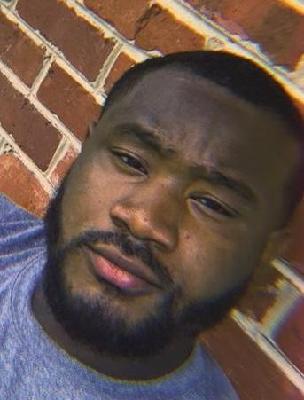
Frederick Duwayne Miller, a 37-year-old Black man known to many as “Wolf” or “Gee,” died in Montgomery, Alabama, on Tuesday, February 21, 2006. In the days that followed, his death settled over the people who loved him like a heavy fog, the kind that turns ordinary streets into places that feel unfamiliar, as if the city itself has to learn how to move again without him in it.
His family prepared to lay him to rest with the care and ceremony that speaks to a life that mattered.
Funeral services were scheduled for Thursday, March 2, 2006 at 12:00 noon at Kinghill Baptist Church, with Rev. Richardson officiating. After the service, he was to be buried at Eastwood Memorial Gardens, with Ross-Clayton Funeral Home directing. The notice carried a line that hinted at the size of the grief behind it, describing the loved ones he left behind as a “loving and large devoted family,” the kind of family that holds tight to stories, nicknames, laughter, and the small habits that suddenly become precious.
The circumstances of his death were treated as a homicide, and the case moved from shock into investigation as authorities worked to identify who was responsible. Over time, the violence that ended Frederick Miller’s life became tied in court to a single name: Anythony Vashawn Rudolph. Rudolph was arrested, prosecuted, and ultimately convicted of murder for the killing, bringing the case from unanswered questions into the hard finality of a verdict.
The conviction carried a sentence of 27 years, a number that reads cleanly on paper but stretches long in real life, marking decades measured out in birthdays missed and years that can never be returned. Yet even with the certainty of the outcome, the story did not land for everyone as something straightforward. Rudolph claimed the shooting was a case of mistaken identity, saying he believed he was firing at someone else. That statement threaded a different kind of tragedy through the case, the idea that a life could be taken not only in anger or intent, but in a moment aimed at the wrong person, leaving a family to grieve a loss that never should have been theirs to carry.
For those who knew Frederick Miller as “Wolf” or “Gee,” the legal conclusion did not replace what was taken; it only gave the loss a shape the world could record. What remained, beyond the courtroom and the sentence, was the memory of the man himself and the gathering at Kinghill Baptist Church, where voices rose in prayer and remembrance before he was carried to Eastwood Memorial Gardens, entrusted to the earth while his family held on to what they could not bear to lose: the sound of his name spoken with love.