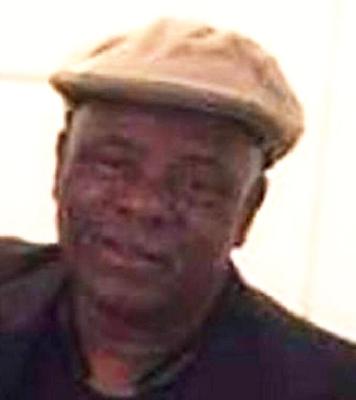
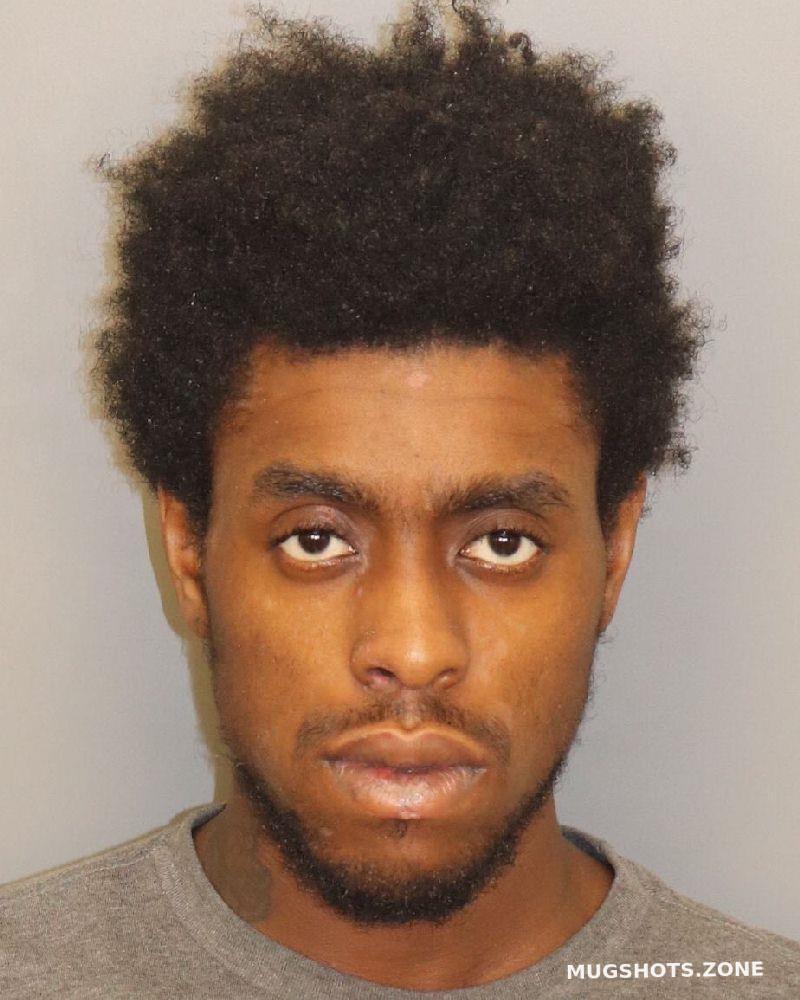
Robert Lee Armstrong Jr., a 67-year-old Black man, was a resident of Bessemer, Alabama, a city just west of Birmingham where industrial roots run deep. Though public records offer limited details about his personal life, his death on September 22, 2011, marked a moment of sudden violence that would be followed by a years-long legal process to bring his killer to justice. His life was abruptly ended, but the case that followed would ensure he was not forgotten.
On that Thursday in 2011, a domestic dispute escalated into a fatal encounter at a home in the 2900 block of 12th Avenue North in Bessemer. During the argument, a firearm was introduced, and Armstrong was shot multiple times. He was found dead at the scene, the victim of a personal conflict that turned lethal. The Bessemer Police Department responded quickly, and the investigation immediately focused on a single individual known to the victim.
Within hours of the shooting, authorities had their suspect in custody.
Luvenia Spates, then 53 years old, was arrested the same day and charged with murder in connection with Armstrong's death. From the outset, investigators characterized the killing as the result of a domestic dispute, suggesting a volatile relationship had culminated in tragedy. The case was handled by the Bessemer Cutoff District Attorney's office, with Assistant Jefferson County District Attorney Wendy Pope leading the prosecution.
Spates' case moved through the Jefferson County court system over the next few years. During the trial, prosecutors presented the shooting as a calculated act of violence. The defense, led by attorney Billy Jewell, argued for a more lenient view, pointing to Spates' strong connections within her church and community, many of whom came forward to plead for mercy on her behalf. Despite these appeals to her character, the evidence presented by the prosecution proved compelling to the jury.
In April 2014, nearly three years after Armstrong's death, a jury found Luvenia Spates guilty of murder. Five months later, in September 2014, Jefferson County Circuit Judge David Carpenter sentenced her to 30 years in prison. At the sentencing, Spates' attorney expressed disappointment, stating that he and her supporters had hoped for a sentence closer to the minimum, but he respected the judge's decision.
Beyond the criminal proceedings, Armstrong's death also led to a civil case. His estate filed a wrongful death lawsuit against Spates. The lawsuit also claimed that Spates had taken possession of Armstrong's 2003 Kia Sorento. In 2013, a judge ordered that the vehicle be returned to Armstrong's estate, though the wrongful death portion of the suit was stayed until the conclusion of the criminal trial.
The case of Robert Lee Armstrong Jr.'s murder is considered solved, with his killer identified, prosecuted, and convicted. As of September 2014, Luvenia Spates is serving her sentence in an Alabama prison, bringing a definitive, if somber, conclusion to the investigation into the day a domestic dispute in Bessemer ended a man's life.