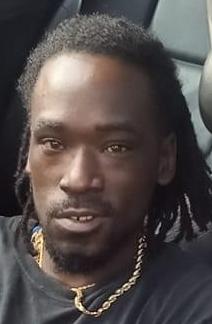
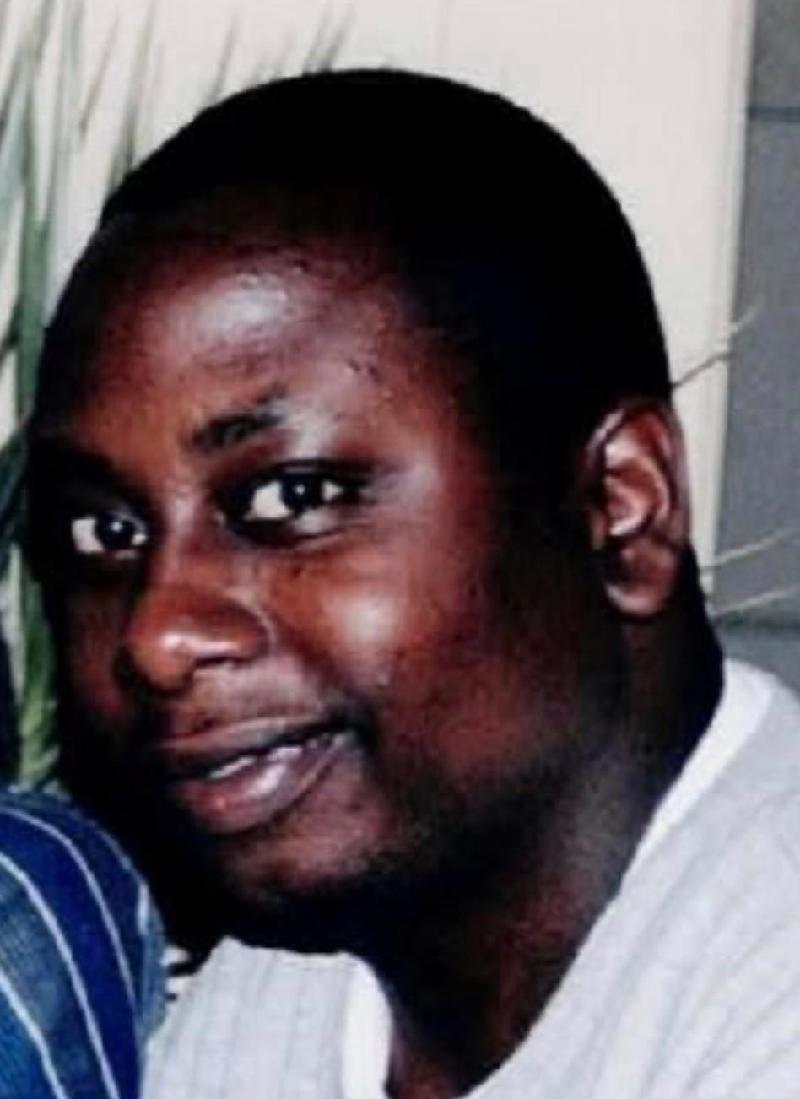
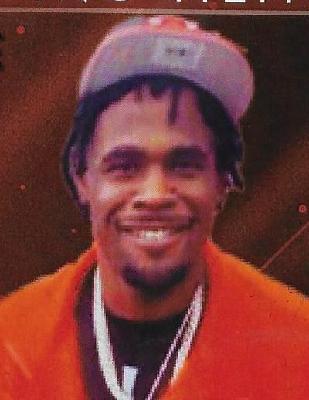
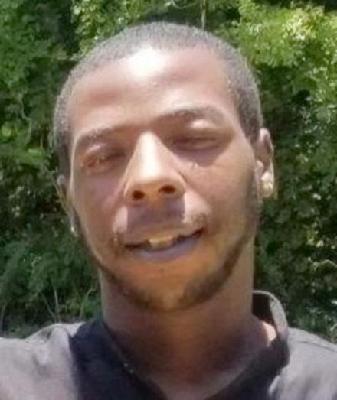
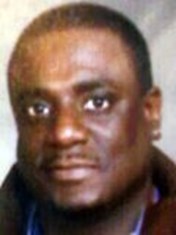
Cornigel Lafayette Murray, a 20-year-old Black male from Birmingham, Alabama, was killed on August 23, 2014, after a late-night confrontation at the Kangaroo Express on Robert Jemison Road turned deadly. What began as a tense encounter at the gas pumps ended with gunfire outside the store, leaving Murray mortally wounded. Reports on the case describe a chaotic scene in which tempers rose quickly, and within moments a dispute that might have passed as another brief gas-station argument became a
homicide that would leave a family grieving and a city adding one more name to its long list of violent losses.
According to contemporaneous reporting and later case summaries, the confrontation was said to have been sparked by an argument tied to public urination near the gas pumps. William Leigh Oliver was at the station fueling his vehicle when Murray and two other men approached him. Accounts of what happened next centered on a sudden fight: Murray reportedly struck Oliver hard enough to knock him to the ground. Oliver then pulled a gun and fired. The shooting happened fast, in the open, under the lights of a convenience store where ordinary movement and traffic suddenly gave way to panic. Murray was found shot outside the business, and the violence of that brief exchange became the defining fact of his final moments.
The immediate aftermath shaped the case almost as much as the shooting itself. Oliver did not flee. Instead, he called 911 from the scene and told authorities he had shot Murray in self-defense. That claim became the central issue from the start. Birmingham police arrested Oliver, a Homewood man, and charged him with manslaughter in Murray’s death. Investigators and prosecutors treated the shooting as criminal at that stage, and the case moved into court with the question of whether the use of deadly force had been legally justified.
At a preliminary hearing, competing versions of the confrontation came into focus. The prosecution’s view was that Oliver had escalated a fistfight into a fatal shooting, while the defense argued he had been attacked by multiple men and reasonably feared for his life. The hearing examined whether there was enough evidence to send the case forward to a grand jury. The defense leaned heavily on the idea that Oliver had been overwhelmed and reacted in fear after being punched to the ground. The prosecution, by contrast, argued that the response was disproportionate. The legal battle was not really over who fired the gun, because that was never in dispute. It was over whether the law would treat the shooting as manslaughter or as justified self-defense.
In the end, the charge against Oliver was dismissed for lack of probable cause. That meant the manslaughter case did not continue toward trial on the evidence then before the court. Public summaries of the case indicate that the judge accepted that there was not enough basis to proceed criminally, leaving the self-defense claim standing as the decisive factor in the case’s outcome. No conviction followed, and the available online record does not show another suspect, additional arrests, or a later prosecution tied to Murray’s death.
So the story of Cornigel Murray’s killing ends in a way that many homicide cases do not: not with a trial, a verdict, or a sentence, but with a charge that dissolved before it could go further. What remains in the public record is the stark outline of a young man killed in a gas-station confrontation, an admitted shooter who said he acted to save himself, an arrest that briefly suggested criminal accountability, and a dismissal that closed the case without a conviction. For Murray’s family, the legal conclusion could not erase the basic reality that a summer night in Birmingham ended with his life cut short in an instant.