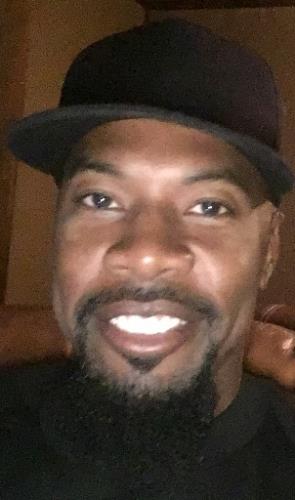
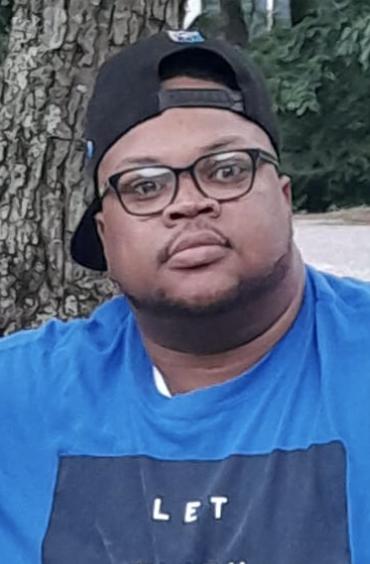
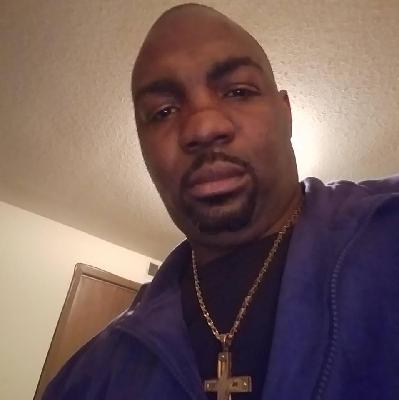
Jeremy Lavender, a 24-year-old male from Birmingham, was found on the afternoon of January 28, 2019, slumped inside a wrecked Honda Accord beneath Interstate 59 in the 300 block of Oporto-Madrid Boulevard North. What first looked like a crash quickly took on a darker shape. Officers had been sent to the scene around 4:20 p.m. and found him unresponsive behind the wheel. He was taken to UAB Hospital, where he was pronounced dead shortly after arrival.
In the first hours of the investigation, police said they were trying to determine whether he had died from the collision itself or from a gunshot wound that may have happened before the crash. Detectives also found multiple shell casings nearby, close to Oporto-Madrid Boulevard and 4th Avenue South, suggesting the fatal events had begun before the car ever came to rest under the overpass.
As investigators worked backward from the wreckage, the case shifted from uncertainty to homicide. Later reporting said Lavender had in fact suffered a gunshot wound, and what had seemed at first like a traffic accident became part of a shooting investigation. The picture that emerged was of a young man trying to get away after gunfire erupted, only to lose control before he could escape. The scene under the interstate was not the beginning of the story, but the end of it.
For months, the case appears to have remained open without an arrest. Then, in June 2019, Birmingham police announced that two men had been taken into custody in connection with Lavender’s killing. Deandreus Hines, 24, and Morris Davis, 23, both of Birmingham, were arrested on June 22, 2019, and charged with capital murder. Police said the arrests were tied directly to the January 28 homicide. Reports on the arrests stated that Lavender was found unresponsive in the vehicle and that authorities had concluded he had been shot. Both suspects were booked into the Jefferson County Jail.
The case did not end with the arrests. Later summaries of the prosecution reported that a Jefferson County grand jury indicted Hines and Davis on capital murder charges in November 2019, showing that the case advanced beyond the initial police announcement and into formal felony prosecution. In the online sources I found, that is the clearest publicly reported development after the arrests. I did not find reliable online reporting confirming a trial, conviction, or final court disposition for either defendant in Lavender’s case, so the most supportable public account is that Jeremy Lavender’s death was investigated as a homicide, two Birmingham men were arrested and charged with capital murder, and the case was later presented to a grand jury that returned indictments.