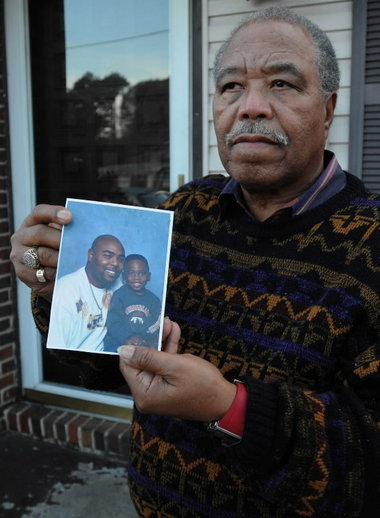
In the winter of 2017, the life of 14-year-old Reynold 'Ray Ray' Bonner III was tragically cut short in Birmingham, Alabama. On the evening of December 23rd, Bonner was fatally shot in the chest during an attempted robbery at Lamb's Mini-Mart on the west side of the city. Despite efforts to save him, he was pronounced dead at Birmingham's children's hospital.
The circumstances surrounding Bonner's death led to a unique and complex legal situation. He and a friend, 16-year-old Jordan Johnson, had gone to the mini-mart with the intention of robbing a man. During the commission of this crime, the intended victim, in an act of self-defense, fired multiple shots, one of which struck and killed Bonner.
In a surprising turn of events, Johnson, Bonner's accomplice in the robbery, was arrested and charged with his murder. This charge was brought under Alabama's 'Felony Murder Rule,' a legal doctrine that allows for a person to be charged with murder if a death occurs during the commission of a dangerous felony, such as robbery, even if that person did not directly cause the death. The indictment alleged that by participating in the dangerous felony, Johnson caused the shooter to justifiably take the life of his friend, Reynold Bonner III.