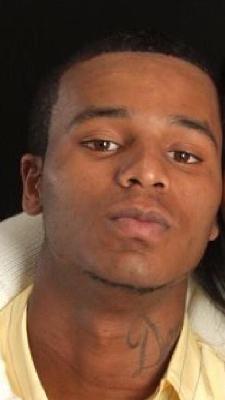
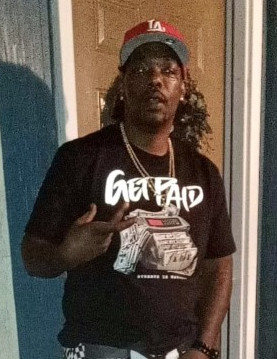
Kelvin Lowe, 19, a Black male, was shot in Birmingham in the early hours of November 20, 2014, in a stretch of Laurel Avenue Southwest in the Powderly area. Police were called to the 1800 block around 3:00 a.m. and found him lying face down in the street with a gunshot wound to the head. Birmingham Fire and Rescue carried him to UAB Hospital, where he later died from his injuries.
Later summaries of the city’s 2014 homicides place his death among the killings recorded that year and note that the victim found on Laurel Avenue that day was an unnamed 19-year-old male who was transported to the hospital and pronounced dead.
What emerges from the public record is a brief, hard scene: a young man down in the street before dawn, a desperate trip to the hospital, and then silence where answers should have been. Early television reports said the victim’s name had not yet been released when officers first announced the homicide investigation. Memorial-style listings later identified him as Kelvin Lowe, Jr., tying the name to the November 20, 2014 Birmingham gun death and preserving the bare outline of his loss even where fuller public details never seemed to follow.
As for suspects, arrests, or charges, the reporting that could be verified online is thin and appears to stop close to the time of the killing. On the day of the shooting, WVTM reported that no arrests had been made. The Birmingham homicide roundup on Bhamwiki also lists the case without naming a suspect or noting an arrest, unlike many other entries on that same page that do record later charges or custody developments. Based on the publicly available sources located here, no named suspect, arrest, prosecution, trial, or conviction could be confirmed in Kelvin Lowe’s case.
So the story that survives in accessible online reporting is painfully spare: Kelvin Lowe was found gravely wounded on a Birmingham street before sunrise, taken to UAB, and lost later that day. The case was treated as a homicide, but in the sources that remain publicly reachable, the trail does not clearly lead to a publicly identified offender. That leaves his death standing in the record less as a closed chapter than as an unfinished one, marked by time, place, and the fact that a 19-year-old life ended violently before the city had even fully awakened.