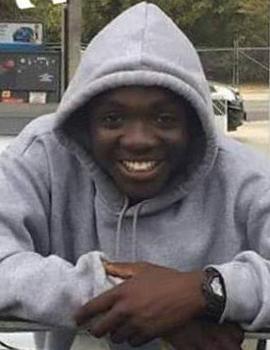
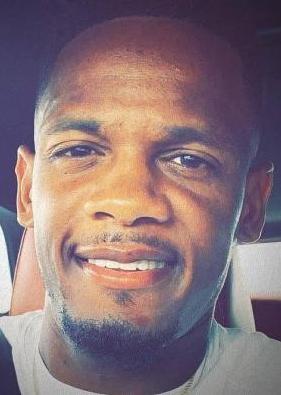
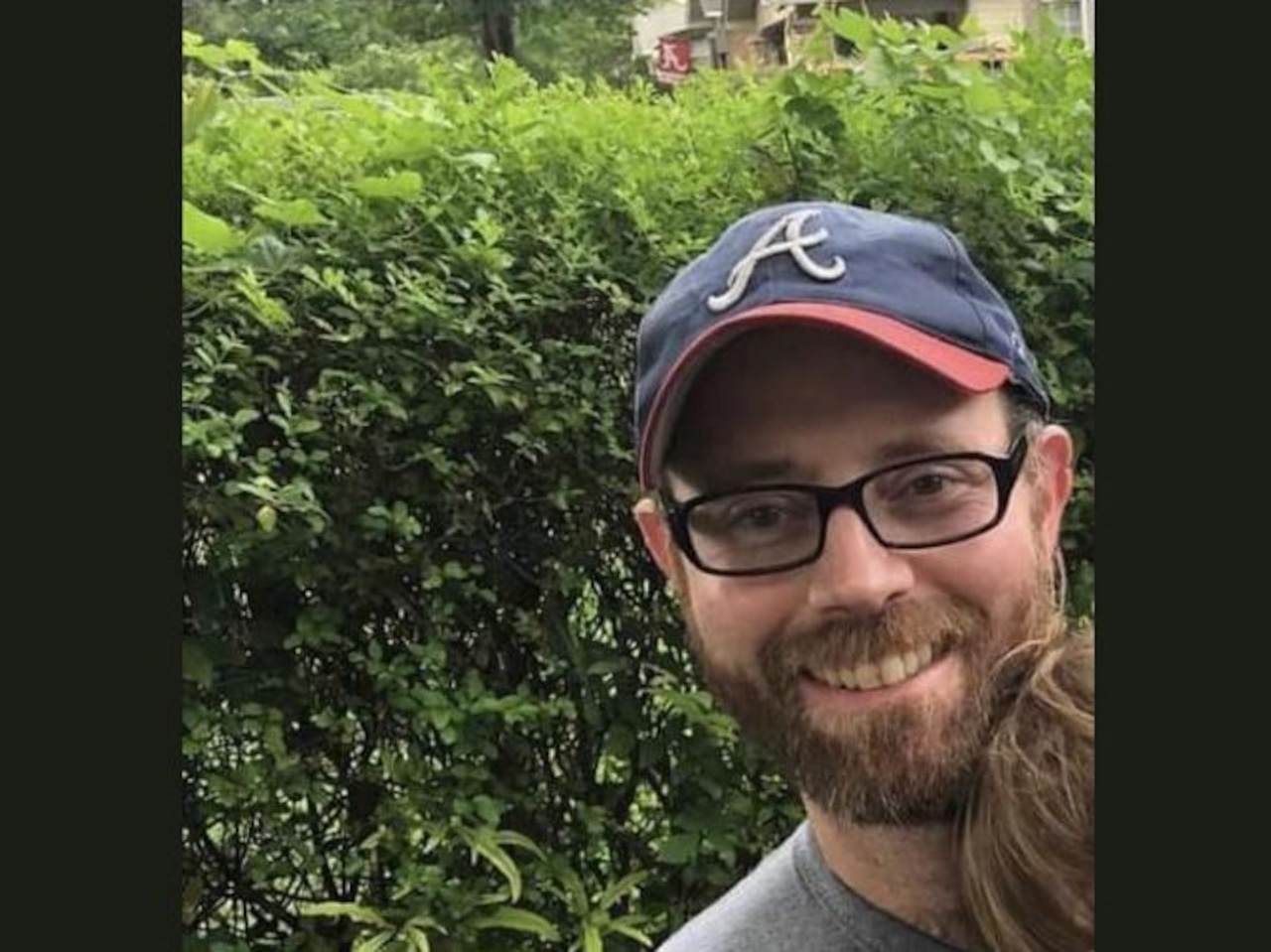
Doug Hutcheson, a 33-year-old White male, went to work at the UPS facility near Birmingham on September 23, 2014, in what should have been an ordinary morning, but the day turned into one of the city’s most shocking workplace killings. Hutcheson was a longtime UPS employee and a driver supervisor, a husband and father whose life had been built around work and family.
According to public reporting and obituary information, he had been with UPS since 1999, and those who knew him remembered him as the kind of man whose life seemed firmly rooted in routine, responsibility, and the people waiting for him at home.
The violence unfolded inside the Birmingham-area UPS package facility when Kerry Joe Tesney, a recently fired UPS driver, came back to the workplace wearing his UPS uniform. Investigators said Tesney had been terminated the day before and returned armed, moving with apparent purpose. Police said the attack appeared targeted, and Hutcheson was one of the two supervisors Tesney killed. The other victim was Brian Callans, a business manager who had reportedly come by the facility even though he had been on vacation. What began as the opening stretch of a workday ended in a burst of gunfire that left employees scrambling for safety and stunned the community beyond the warehouse walls.
There were no arrests in the case because the gunman died at the scene from what authorities described as a self-inflicted gunshot wound. Public reports identify Tesney as the sole suspect, and the case was understood as a murder-suicide rather than a crime that moved forward to prosecution. News coverage at the time said Tesney had lost an appeal related to his firing shortly before the shooting, and investigators believed he knew exactly whom he intended to confront. That left no courtroom reckoning, no trial, and no conviction to follow—only the grim conclusion that Hutcheson and Callans were deliberately targeted by a man who returned to settle something in the worst possible way.
In the aftermath, the details that remained were painfully human. Hutcheson was identified not just as one of the dead, but as a man whose life had stretched across years of steady work, marriage, children, and plans that ended in an instant. The case did not unfold into a long mystery with shifting suspects or later arrests; instead, it closed almost as quickly as it erupted, with the shooter dead and the victims’ families left to absorb the permanent damage. For Birmingham, and for those who worked at that UPS center, Doug Hutcheson’s death became part of the lasting memory of a workplace turned into a crime scene by a former employee’s targeted rage.