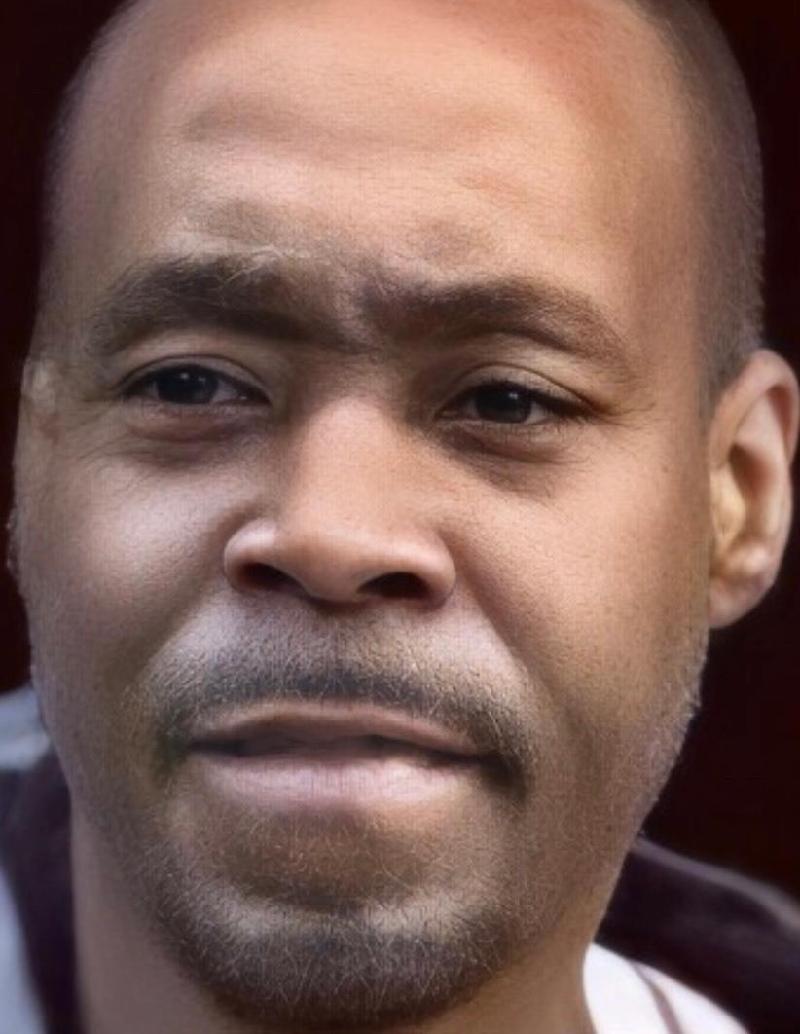
Edward Carter Tarrant III, a Black/African American man, 43, was killed on April 12, 2015, in Brighton, Alabama, after the city’s emergency calls lit up with reports of gunfire late that Sunday afternoon. Police were dispatched around 5:00 p.m. to the 4900 block of Huntsville Avenue, where they found him inside a vehicle, mortally wounded by a single gunshot.
Investigators did not immediately say where on his body he had been struck, and in the first hours of the case they also withheld his name, focusing instead on securing the scene and trying to understand what had unfolded on that stretch of road.
As the initial shock settled, the killing was described by a Brighton police spokesperson as part of a grim pattern the town was grappling with that year. The department said the shooting was the fifth homicide in Brighton in 2015 and that several earlier cases had already been cleared, but this one remained uncertain in its earliest phase. Detectives indicated they believed they had a lead, yet they kept details close—no public identification of a suspect, no explanation of motive, and no account of what brought Tarrant to that vehicle at that moment. The silence left neighbors to fill in the blanks while investigators worked the angles that begin most modern homicide inquiries: who last saw him alive, who knew he was there, and who might have had reason to pull the trigger.
In the days that followed, his death was acknowledged publicly in an obituary that placed him within a grieving network beyond Brighton’s city limits, describing him as “of Birmingham” and announcing funeral arrangements. A service was scheduled at Mt. Ararat Baptist Church, with burial to follow at Valhalla Cemetery, and visitation arranged through Mullins Funeral Service in Ensley—details that turned a police investigation into a family’s real-world goodbye.
The case’s law-enforcement arc, however, hinted at movement behind the scenes. A Birmingham-area homicide roundup later summarized that an arrest was made in connection with Tarrant’s killing: James Tavares Johnson was taken into custody and a capital-murder charge was filed, but that charge was dismissed in May. The same summary did not provide a trial outcome or conviction for Tarrant’s death, and it did not explain publicly why the capital case was dismissed—only that, after the initial step of an arrest, the prosecution did not proceed on that charge at that time.