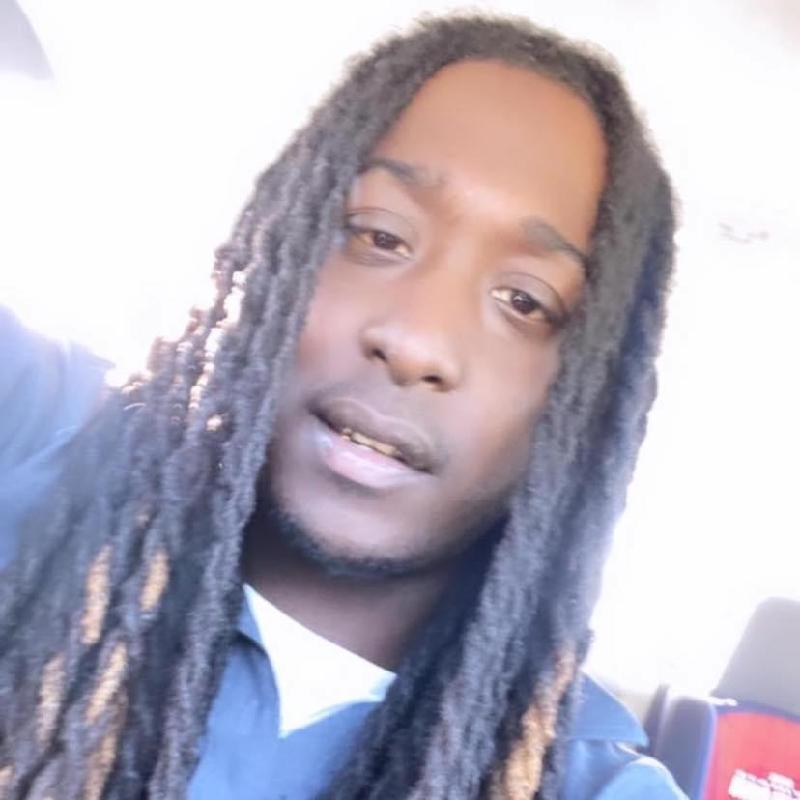
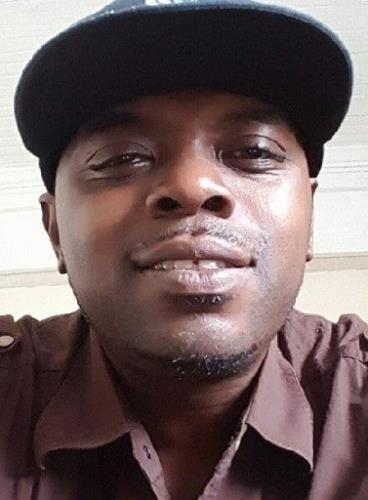
Dwight Jerome Paulk, 51, was a Black man from Birmingham, Alabama, whose death unfolded in the late hours of September 17, 2015, in a grim and lonely setting near Rushing Springs Baptist Church in Tarrant. Authorities were called to 214 Rushing Springs Road after his body was discovered near the church grounds, and investigators soon determined they were dealing with a homicide.
Reports from the time said he had been found with gunshot wounds, and Gun Violence Archive’s summary of the case noted that a groundskeeper found him shot to death at the church. In the first public accounts, police were still trying to piece together not only how he had died, but also how he had come to be left there, as the case opened with more questions than answers. Police also told local media that Paulk had only recently been released from prison, a detail that added another layer of uncertainty to the story and suggested he may have been trying to reenter life outside before it was suddenly cut short.
What survives in public reporting is the stark outline of a man’s final hours rather than a full explanation of them. The available online sources identify Paulk as the victim and confirm that Tarrant police investigated his death as a homicide, but they do not appear to name any suspect, announce an arrest, or describe charges, a trial, or a conviction tied to his killing. That absence leaves the case feeling unresolved in the public record: a man found dead beside a church, a homicide investigation launched, and then silence where a fuller ending should have been. From the online sources that remain accessible, the story of Dwight Paulk’s death is one of violence, isolation, and an investigation that, at least publicly, never seems to have produced a named offender or a courtroom reckoning.