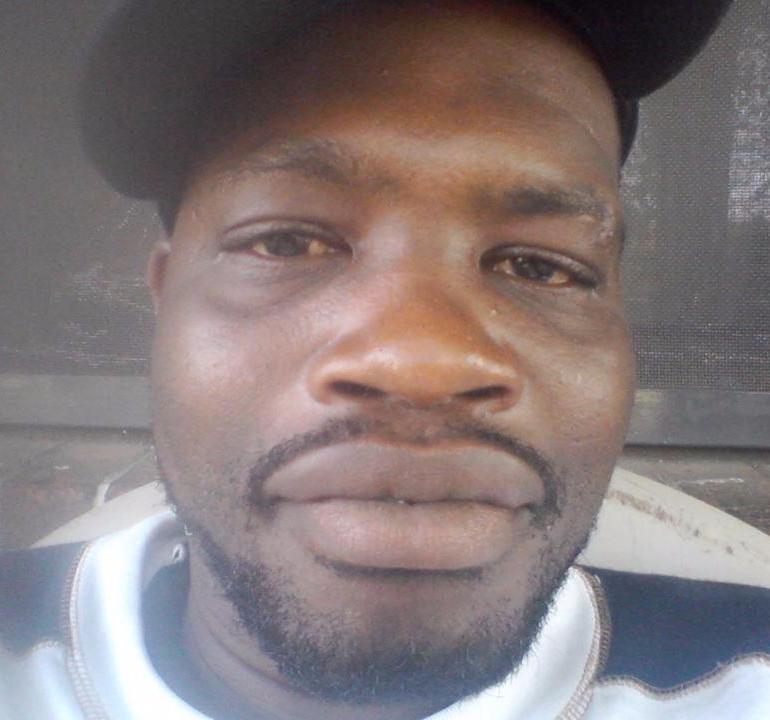
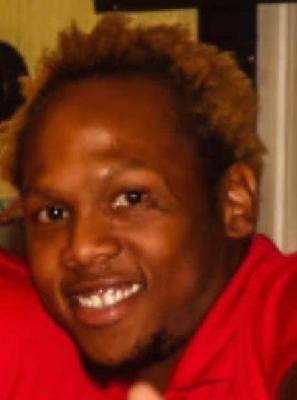
Ronald Mark Fassina, a 67-year-old White male from Fultondale, Alabama, was mortally wounded late on February 10, 2016, inside his home in the Chapel Hills subdivision on Overlook Road, in what police first described as a robbery and kidnapping that turned violent. Investigators said the people involved were not strangers and that an argument over money escalated until gunfire broke out.
Fassina and one of the intruders, Kameron David, were both shot during the confrontation, and Fassina was taken from the scene with critical injuries. Although the violence happened on February 10, later obituary reporting said he died on February 13 from those injuries, after several days surrounded by family.
In the first rush of the investigation, police said the case was tied to the kidnapping, robbery, and burglary of Fassina’s son at the house. Joshua Dixon and Kameron David were initially charged with robbery, kidnapping, and first-degree burglary, and after Fassina died, the case deepened into a homicide prosecution. Reporting at the time said David was charged with three counts of capital murder, while Dixon was charged with three counts of felony murder. The picture that emerged in court later was tangled and ugly, with testimony about drugs, money, and prior connections among the people inside the home that night. During David’s 2018 trial, he told jurors that Fassina’s son Jeremy was his meth supplier and claimed the shooting happened during a struggle over a pistol, but prosecutors treated that version as an attempt to explain away a planned home invasion that left Fassina shot in the head.
The clearest resolution found in online reporting concerns Kameron David. In May 2018, a Jefferson County jury found him guilty of intentional murder in Ronald Fassina’s killing, rejecting the capital murder counts but convicting him of murder for the fatal shooting during the Fultondale home invasion. As for Joshua Dixon, online reports clearly show his arrest and homicide-related charges in the Fassina case, and later jail reporting still identified him as being held on murder, kidnapping, and robbery charges connected to the shooting, but the sources I found did not provide a similarly clear public account of a trial verdict or final conviction for him. What remains consistent across the reporting is that Fassina’s death grew out of a targeted incident inside his own home, not a random attack, and that the case led to arrests, a murder prosecution, and at least one conviction tied directly to the killing.