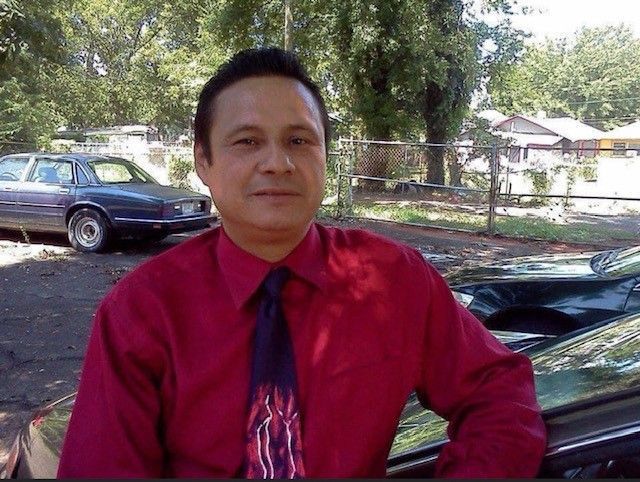
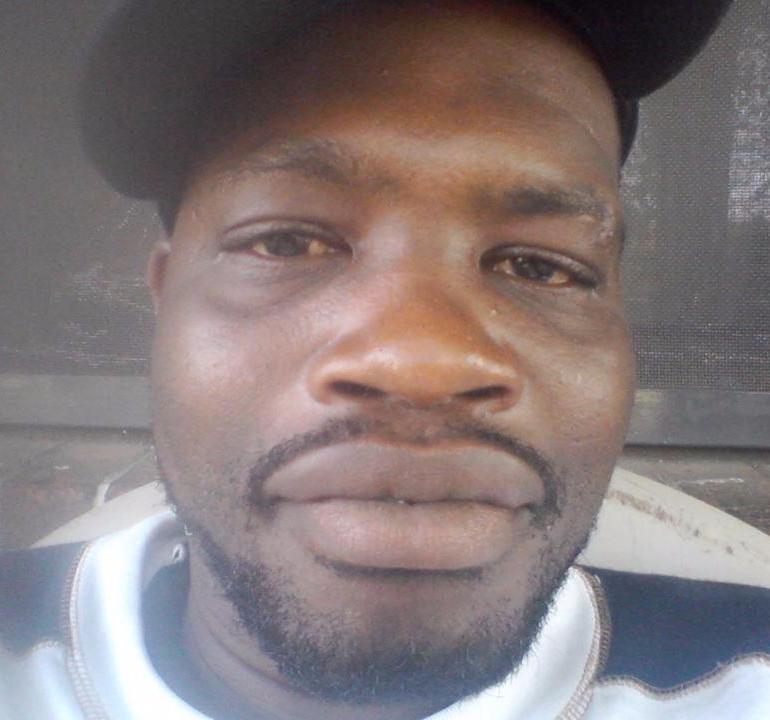
Dewayne Braxton Hubbert, a 60-year-old Black man, was a longtime Fultondale, Alabama resident whose final days unfolded after a violent crash on Interstate 65. On the evening of August 11, 2019, he was driving near Fultondale with several passengers when another vehicle came up the interstate at extreme speed. The impact was catastrophic, turning an ordinary trip into a scene of twisted metal and urgent rescue. Hubbert was rushed for medical care, but the injuries were severe, and he died three days later on August 14, 2019, at UAB Hospital.
Investigators focused quickly on the driver who struck Hubbert’s vehicle: Zorro Vontonnyae Sanders. Witness accounts and the state’s presentation of the case described Sanders driving at roughly 100 miles per hour on I-65 near Fultondale before he slammed into Hubbert’s car. In the aftermath, Sanders told a state trooper he had been drinking—reportedly six or seven beers that night. The case built around impairment as well as speed: authorities said Sanders failed multiple field sobriety tests, and testing later showed a blood alcohol content of. 125 percent more than three hours after the collision.
The criminal case moved through Jefferson County court, and Sanders became the central, named suspect and defendant tied to Hubbert’s death. Prosecutors pursued a criminally negligent homicide charge tied to driving under the influence, framing the crash not as a simple accident but as a deadly consequence of choices made behind the wheel. On September 9, 2022, a Jefferson County jury convicted Sanders of criminally negligent homicide and DUI, a verdict that formally connected Hubbert’s death to the actions the state argued were both dangerously reckless and criminally negligent.
Sentencing brought the weight of that decision down with unusual force for a DUI-related homicide case: Sanders received a 25-year prison sentence. He appealed, seeking to overturn the conviction, but the case held. On April 28, 2023, Alabama’s Court of Criminal Appeals affirmed the conviction, leaving the jury’s findings and the sentence intact. With that decision, the case’s long arc—from the interstate wreck in August 2019 to the appellate ruling years later—closed with the courts recognizing the crash as a criminal act and Sanders as the sole convicted offender responsible for Hubbert’s death.
Away from the courtroom record, Hubbert’s death reverberated through his community in the quieter language of remembrance. He was mourned in Fultondale as a church member and family man, with funeral services held days after his passing. Yet the story of his death remained inseparable from the interstate collision that caused it—an encounter measured first in seconds on a highway, then in years of investigation, prosecution, trial, and appeal.