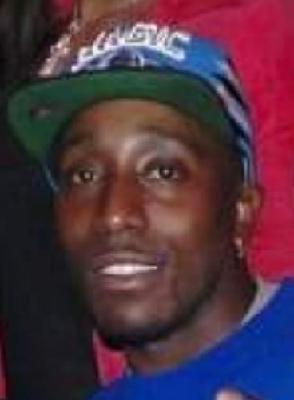
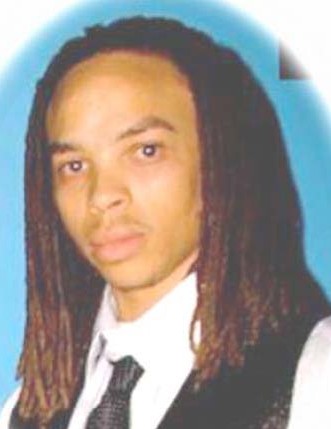
In the spring of 2016, a dispute over a dice game in Birmingham, Alabama, tragically cut short the life of 20-year-old Joseuwell Markez Kirkland. On the evening of April 11th, an argument escalated, leading to Kirkland being fatally shot. The young man, known to his loved ones, succumbed to his injuries, marking another grim statistic in the city's history of gun violence.
Following the shooting, the Birmingham Police Department launched an investigation into the homicide.
Their efforts quickly led to a breakthrough in the case. A suspect was identified and taken into custody, bringing a swift, albeit partial, sense of resolution to a senseless act. Authorities announced that the individual apprehended was charged with capital murder in connection with Kirkland's death.
The narrative that unfolded pointed to a disagreement during a dice game as the catalyst for the deadly encounter. This detail, consistently reported in the aftermath of the tragedy, painted a stark picture of how a moment of conflict can irrevocably alter lives. While the initial steps of the justice process moved forward with an arrest and the filing of a capital murder charge, the subsequent legal proceedings and the ultimate outcome of the case have not been publicly detailed in the available information. The identity of the suspect charged, and the progression of the case through the court system, including any trial or conviction, remain undisclosed in the online sources covering the incident.