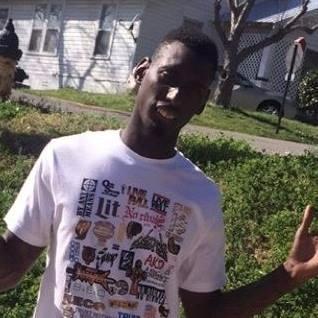
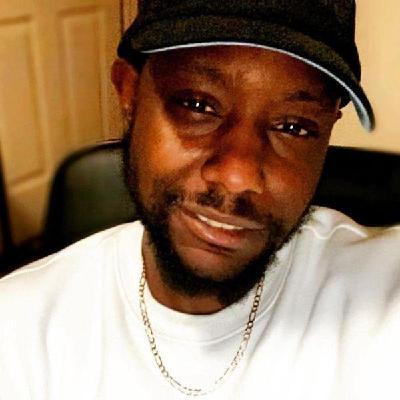
Elvis Finley, a 56-year-old man, was found shot to death on February 23, 2017, in Anniston, Alabama, after police were sent to the 2000 block of McKleroy Drive on a 911 call about an unconscious person. When officers arrived, they found Finley dead from gunshot wounds, and what began as a grim response to a body on the ground became a homicide case that would stretch on for years before reaching a courtroom resolution.
The investigation did not end in silence.
Police arrested Carlos Ware on the very day Finley died, though not at first for Finley’s killing. According to reporting from the time, Ware was taken into custody on an unrelated shooting charge after authorities said he had fired into a truck with a man inside. In the days around that arrest, he was also accused in separate assault cases involving two men who were allegedly injured with a firearm in January 2017. Even so, Ware was able to post bond and get back out of jail, first on the shooting charge in early March 2017 and later, in April, on bonds connected to the assault cases.
Months later, on July 26, 2017, Anniston police formally charged Ware with murdering Finley. He was booked into the Calhoun County Jail on the murder case with bond set at $75,000, and by December of that year he had been released again. The case moved slowly, shadowed by Ware’s other alleged violent offenses. In April 2018, after yet another unrelated shooting accusation, this time involving police claims that he had fired into a car with a woman inside, his bonds in the murder, assault, and shooting cases were revoked. From that point forward, he remained in the Calhoun County Jail.
The later court record shows that Ware’s case did not end with an acquittal or dismissal. He pleaded guilty in Finley’s killing, and the debate shifted from guilt to punishment. His defense attorney, Derek Walton, said he intended to argue at a September hearing that Ware should receive 20 years of probation instead of prison. If the judge rejected that request, Walton said he would ask for a split sentence of five years behind bars followed by 15 years on probation. At the time those details were reported, Ware was still in the Calhoun County Jail awaiting transfer to state prison, meaning the case had moved beyond accusation and arrest into conviction and sentencing.
So the public account of Elvis Finley’s death became the story of a killing that was first one more violent scene on an Anniston street, then a case tied to a man repeatedly accused of shootings and assaults, and finally a prosecution that ended in a guilty plea. Finley was found dead that February night, Ware was later charged with his murder, and after years marked by bond releases, revocations, and new allegations, the case closed with Ware standing convicted in Finley’s death and facing imprisonment.