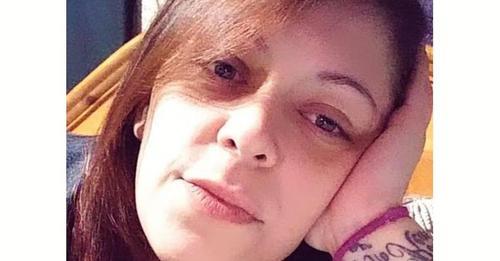
Kathryn “Kat” Nichols, a 48-year-old White woman, was in Bryant, Alabama, on November 24, 2018, when a night that should have ended quietly turned into a crime scene on a rural stretch of County Road 131. By the time authorities arrived, Nichols had been shot and was dead, and the man believed responsible was no longer alive to answer for it. The loss landed hard in a small community where news travels fast, and where a single act of violence can feel like it echoes from house to house.
Investigators described the case as a murder-suicide. They identified the suspected shooter as Joey Hollis, 36, of Talladega, Alabama. According to law enforcement, Nichols and Hollis were dating, and the circumstances pointed to an intimate-partner violence incident that escalated beyond recovery. Alcohol was reported as a factor, a detail that suggested the kind of impaired judgment and sudden volatility that can turn an argument into something irreversible.
The way the case unfolded left no long chase, no manhunt, no courtroom reckoning. Authorities said Hollis shot Nichols and then killed himself, ending the possibility of an arrest, formal charges, or a trial that might have forced the story into neat legal lines. What remained instead was the grim clarity of an investigation that can name what happened, and even who did it, but cannot deliver the traditional milestones of justice.
Afterward, Nichols’ death was mourned not only as a violent loss but as the silencing of a life that had been stitched into the routines of work, family, and community. The official conclusion of murder-suicide provided an answer to the question of “who,” yet it could not soften the reality of how quickly the familiar can become dangerous behind closed doors, or how a relationship can end with a final, irrevocable act.