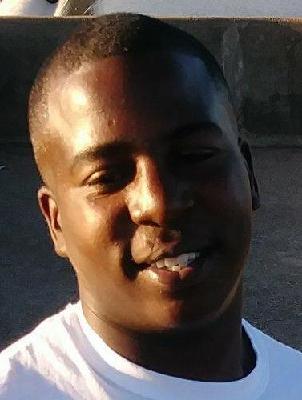
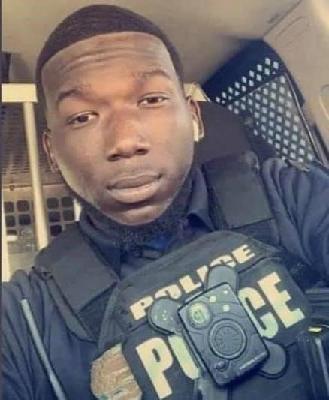
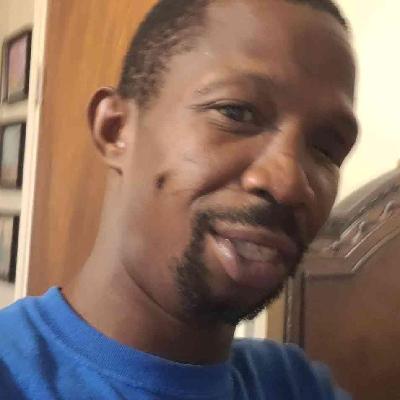
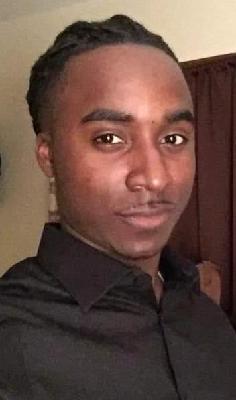
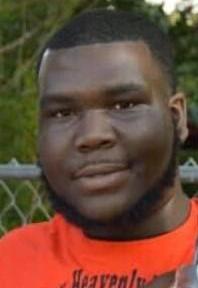
Shaquille T. Shamburger, 27, a Black male from Selma, Alabama, vanished from the routines that usually made him easy to find. By midweek, concern hardened into alarm, and he was reported missing on Wednesday, July 7, 2021. When the hours stretched on with no reassuring call or sighting, officers went to his home for a welfare check, expecting—at worst—an unsettling answer and—at best—a simple misunderstanding.
Instead, on Friday morning, July 9, the welfare check turned into a
homicide scene. Inside the house, police found a decomposing body concealed in a trash bag and placed in a closet, a discovery that made it clear someone had tried to hide what happened rather than seek help. The way the body was left behind suggested time had passed since the killing, and that the people closest to the home’s daily life were likely to hold the answers investigators needed.
Those answers quickly focused on the person who shared the residence. Selma police identified Shamburger’s roommate, Corey Rabb of Selma, as the primary suspect, and by Friday afternoon he was in custody. Investigators questioned him at police headquarters, and police said he confessed during that interview, admitting that he shot Shamburger. With that statement in hand, authorities arrested Rabb and charged him with murder.
Public reporting on the case identified Rabb as the lone suspect at the time of his arrest, with no additional suspects announced alongside the charge. The early narrative of the investigation—missing-person report, welfare check, concealed remains, then a confession—moved swiftly, but later public updates about court proceedings, trial dates, or a final case outcome were not broadly reported in the same level of detail as the initial arrest.