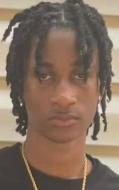
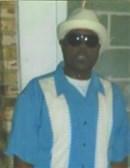
Markell Sanders, a 15-year-old Black boy from Birmingham, Alabama, was killed just after midnight on January 14, 2024, inside his home in the 4200 block of 39th Avenue North in the city’s Inglenook area. According to Birmingham police, officers were dispatched at about 12:16 a.m. after a 911 call reporting that he had been shot. When they arrived, they found him unresponsive inside the residence with an apparent gunshot wound.
Birmingham Fire and Rescue pronounced him dead at the scene, turning what should have been an ordinary night at home into a homicide investigation almost as soon as the new day began.
In the first hours after the shooting, there was no arrest, and investigators publicly asked for help as they worked to understand what had happened inside the house. Local reporting said Markell’s mother was the one who called 911 to tell dispatchers her son had been shot, a detail that underscored how suddenly the violence struck and how close to home it was. Early accounts described police arriving to a scene of shock and grief, with the case still unfolding and many of the circumstances not yet released.
Within days, the case took a painful turn. Birmingham police later announced that detectives had identified the suspect as Markell’s 13-year-old cousin. After presenting their evidence to personnel from the Jefferson County District Attorney’s Office assigned to Family Court, investigators obtained a petition for murder on January 18, 2024. On January 22, 2024, a family member turned the juvenile suspect in to the Jefferson County Youth Detention Center. The revelation that the victim and suspect were cousins gave the case an even heavier weight, transforming it from a neighborhood homicide into a family tragedy with consequences that would echo far beyond the crime scene.
Publicly available reports located online do not appear to provide further named suspect information, which is consistent with the fact that the accused was a juvenile and his identity was withheld. Those same sources also do not show later public details about an indictment, trial, or conviction. What is clear from the reporting and the police releases is that Markell died in his own home, that the investigation moved quickly, and that authorities said they had enough evidence to pursue a murder case against the juvenile relative they accused in the shooting. In that sense, the story of Markell Sanders is not only the story of a young life cut short, but of a case in which the answers came fast and still left behind the kind of sorrow no arrest can undo.