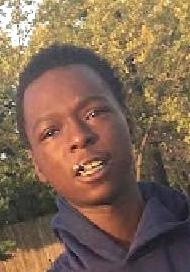
Do you know who killed Ramadan Dorsey in 2008? Ramadan Kareem Dorsey-Bey, a 25-year-old Black male from Wilmington, Delaware, died suddenly on February 10, 2008, after a shooting in the 200 block of South Market Street. In the early morning darkness, around 12:47 a.m., Wilmington police were dispatched to the area for a reported shooting and found Dorsey suffering from gunshot wounds. He did not survive.
Public records from Wilmington police later placed his case among the city's cold-case murders, indicating that investigators continued to treat his death as unsolved.
Dorsey's obituary described him as someone deeply connected to a large family and community. He was survived by a daughter whom his family said he adored, his mother, siblings, his fiancée, nieces, cousins, and other relatives and friends. His death left behind not only a homicide investigation, but also a grieving family preparing a Janazah service just days later, on February 12, 2008, at Haven Memorial Cemetery in Chester, Pennsylvania.
The public record does not identify a charged suspect, trial, conviction, or arrest directly for Dorsey's killing. Wilmington police continued to list the matter as a cold case years later and asked anyone with information to contact the department's Cold Case Unit or Delaware Crime Stoppers. That status suggests investigators had not publicly closed the case with a prosecution.
A later court-related account added a complicated thread to the story. According to reporting on litigation involving former Wilmington police official Fray Coleman, Coleman had been questioned in connection with an earlier 2007 murder involving a friend of her daughter's biological father. In that earlier investigation, she reportedly told investigators she had heard that a man named Ramadan was considered by some to be a suspect in that killing and that she would not be surprised if someone killed him. After Dorsey was fatally shot in February 2008, detectives questioned Coleman again, and she said she had no information about his death.
Years later, in 2022, a cold-case investigator reopened the Dorsey investigation and interviewed Coleman twice. The investigator reportedly accused her of having an inconsistent recollection of Dorsey's killing and of withholding information. Based on that investigation, Delaware authorities obtained a warrant to search Coleman's cellphone on the theory that she may have engaged in official misconduct or hindering prosecution. Coleman was placed on administrative duty, later left the department, and sued, alleging discrimination and improper handling of data from her phone.
Those later proceedings did not amount to a public arrest or conviction in Dorsey's homicide. A federal judge dismissed Coleman's federal lawsuit on legal grounds tied to her civil claims and also found no basis to invalidate the warrant used to seize her phone. The public reporting does not state that Coleman was charged in Dorsey's killing, nor does it name any person as having been arrested for the murder. As of the publicly available information reviewed, Dorsey's case remained the story of a young Wilmington man shot on South Market Street, a family left mourning, and an investigation that continued years later without a publicly resolved suspect or conviction.