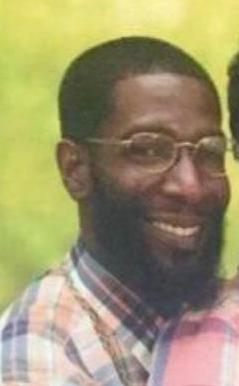
On Sunday night, November 9, 2025, 26-year-old Malik Morgan was sitting in a crossover-style vehicle at the intersection of Vandever Avenue and Northeast Boulevard in Wilmington’s Price Run neighborhood when gunfire shattered the quiet. What had begun as an ordinary evening on a busy corner in the city’s northeast side turned suddenly violent as shots tore through the vehicle, blowing out most of its windows and leaving the car riddled with bullet holes.
Around 8:30 that night, police and medics were called to the 1400 block of Northeast Boulevard, near a Liberty gas station, where they found two men suffering from multiple gunshot wounds. Shell casings were scattered across the roadway—at least sixteen of them, according to one television report—evidence of a barrage rather than a single, isolated shot. The vehicle where Malik and the other man had been sitting was still running when officers arrived, its windows blown out, its interior transformed into a crime scene. Both victims were rushed to Christiana Hospital: the younger man, 23, in stable condition, and Malik in critical condition, fighting for his life.
For several days, family members and friends waited for news from the hospital while the intersection where the shooting unfolded returned to its everyday traffic and routine. Behind the scenes, detectives began piecing together what had happened at the corner that night, but early reports offered few answers about what sparked the burst of gunfire. Then, on Thursday, authorities confirmed the outcome everyone had feared: the 26-year-old man who had been clinging to life since Sunday had died from his injuries. Wilmington police publicly identified him as Malik Morgan, the latest victim in a year already marked by persistent gun violence in the city. Local coverage noted that his death deepened community frustration and grief, as residents questioned whether the many promised anti-violence strategies were doing enough to stem the bloodshed.
In the days that followed, Malik’s name joined the grim roll call of those lost to shootings in Wilmington. On the National Gun Violence Memorial, a page dedicated to him recorded that he had been “lost to gun violence” on November 9, 2025, in Wilmington, Delaware, and mourners lit virtual candles in his memory. Loved ones left short, raw messages that sketched the outline of a life cut short—a cousin calling him “my brudda” and promising to keep “stepping” for him, another writing simply, “LeekWap you are forever loved.” One entry listed that he had a child, hinting at a family now left to navigate the ache of his absence. Taken together, the tributes painted a picture of a young man whose death rippled far beyond the statistics, touching siblings, cousins, and friends who remembered him in fragments of affection and grief.
While his family and community mourned, investigators continued to work the case. Police statements and local news reports consistently described the shooting as an active investigation, with detectives urging anyone who knew what happened that night—or who might recognize details about the car, the gunfire, or the circumstances—to come forward. Crime Stoppers numbers and tip lines were repeatedly shared, underscoring how dependent the case was on community cooperation. As of the most recent reporting in mid-November 2025, however, authorities had not announced any arrests, nor had they publicly identified a suspect or suspects in the shooting that claimed Malik Morgan’s life, and the motive for the attack remained unknown.