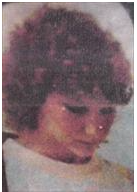
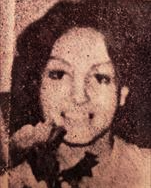
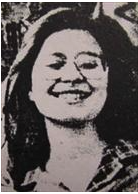
Do you know who murdered Lucille? Lucille Iwane Edmundson, a 22-year-old woman from Tulsa, Oklahoma, spent the night of October 27, 1989, at The Place Nightclub, a busy spot at 571 E. 36th Street North on the city's north side. She was there like many young people in their early twenties, part of the late-1980s nightlife scene, when the ordinary rhythm of music and conversation gave way to something violent and irreversible.
At some point that night, gunfire erupted inside or around the nightclub, shattering the atmosphere and sending people scrambling for cover in the chaos that followed. In the middle of that confusion, Lucille was struck by at least one bullet. She did not survive the attack, and the gunshot wound she suffered at The Place Nightclub is recorded by law enforcement as the cause of her death.
Investigative summaries from the Tulsa Police Department and organizations that track unsolved homicides describe the case in stark, simple terms: Lucille was at The Place Nightclub; shots were fired; she was hit and died as a result of the gunshot. The club's address and the date are consistent across these accounts, underscoring that the shooting took place on April 27, 1989, in Tulsa, during what should have been a routine night out. The setting—a crowded nightclub with multiple people present—suggests there were likely witnesses to the gunfire, but the publicly available records do not lay out a detailed sequence of events, such as who fired first or how many shooters there were. Instead, they emphasize that the incident left authorities with more questions than answers and that the case was ultimately classified as an unsolved homicide.
Decades later, the official picture remains frustratingly limited. The Tulsa Police Department's cold-case listing and the City of Tulsa's unsolved crimes database both present Lucille's death in almost identical language, focusing on the fact of the shooting and its location while offering no publicly named suspect or detailed narrative of the confrontation that led to the gunfire. Independent cold-case projects echo those basic facts and continue to highlight her name among Tulsa County homicides, signaling that investigators still consider the case active and solvable if new information emerges. Some summaries note that the shooting appears to have been connected to an altercation at or near the nightclub that night, but they add that the specific motive and identities of those involved have never been clearly set out in public records.
Public documents connected to Lucille's life and death create a partial paper trail beyond the brief crime summaries. A death notice indexed in the Tulsa Tribune for November 1, 1989, shows that her passing was recorded in local newspapers, though the digitized index does not include the text of the notice itself. A memorial entry lists her as Lucille I. Edmundson Joubert, born July 29, 1967, with a date of death given as October 27, 1989, and burial at Green Acres Memorial Gardens in Skiatook, in Tulsa County. That later date of death, appearing alongside the officially recognized shooting date of April 27, suggests either a clerical discrepancy or the use of a formal administrative date in some records, but it does not alter how law-enforcement agencies describe the night she was killed: she was shot at The Place Nightclub on April 27 and died from that wound.
What is most striking, looking back across the years, is the emptiness where answers should be. Despite the violence happening in a public venue, there are no publicly documented arrests tied directly to Lucille Edmundson's killing, and no official source names a suspect or person of interest in connection with the gunfire that took her life. The case remains on the Tulsa Police Department's roster of cold cases, repeated on nonprofit cold-case websites and crime-solving forums that invite members of the public to share memories, leads, or overlooked connections from that night. The language used about her tends to be quiet and respectful, indicating a young woman whose future was cut short in an instant and whose loved ones have had to live for decades without knowing who was responsible. Today, her story endures mainly through these brief official summaries and memorial entries, each one preserving the same unresolved core: a young life ended by a burst of gunfire in a Tulsa nightclub, and a killer who, at least in the public record, has never been brought to justice.