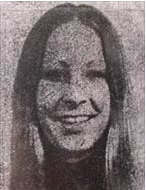
Margaret Kay Kearney Pope was a 59-year-old white woman from the Tulsa area whose life was rooted in family, work, and the small rituals of rural Oklahoma. Born in Rotan, Texas on January 25, 1948, she moved as a toddler with her parents, Howard K. and Thelma Aline Kearney, to the town of Inola, where she grew up and finished school. In high school she was crowned Hay Day Queen, a small-town honor that hinted at how easily she connected with people and how comfortable she seemed in the center
of a community gathering. After graduating from Inola High School in 1966, she took a scholarship to the Tulsa School of Cosmetology, turning a talent for making others feel at ease into a career that would carry her into adulthood.
Cosmetology gave Margaret both independence and a way to belong. After completing the program in Tulsa, she worked in the field and eventually owned and operated her own salon, Hair Designers, in Claremore during the early 1970s. Her license allowed her not only to style hair but to teach, passing along techniques and confidence to students who came through her classroom. One of her customers, a man named Richard Prince, introduced her to his Army buddy, Greg Pope. The stylist and the soldier became a couple, and on January 20, 1977, they married in Hawaii before returning to Oklahoma. Tulsa was home, and after the wedding she sold her Claremore shop and devoted herself to being a full-time homemaker, centering her life around Greg, their children, and the close-knit circle of relatives who gathered on their property.
At the Popes’ acreage in the Tulsa area, Margaret’s world was crowded not just with people but with animals. Raised on a farm, she seemed to find it natural that stray animals drifted toward her, as if sensing a safe harbor. Over time, their land became a refuge for an appaloosa horse named Cherokee, a red-haired Doberman called Duby, and “countless strays” who settled into the rhythm of her days. Holidays, especially the Fourth of July, turned the property into a lively gathering place where family came together under the Oklahoma sky. Margaret was described as both generous and outspoken, a patriotic and staunch Democrat who liked to wear her politics on T-shirts, and someone who had a knack for making things feel better—for relatives, clients, and animals alike—whenever they crossed her path.
That sense of safety made what happened on May 26, 2007 all the more jarring. On that Saturday, Margaret was found dead in her home in the Tulsa area; according to later case summaries, it was a relative who discovered her body. Those summaries note that, at first glance, there were no obvious signs of foul play when she was found, a detail that must have added confusion to the shock of losing her so suddenly. While her obituary simply stated that she “passed away” on that date and moved quickly to describing the memorial service and the many loved ones she left behind, other online case-tracking records would eventually list her among Oklahoma deaths classified as “death by force,” placing her name alongside unsolved or suspicious deaths that advocates hope will someday be revisited and fully explained.
Despite that ominous classification, there is no public record that clearly lays out what investigators concluded about how Margaret died. The available online traces—obituaries, memorial pages, and unsolved-case listings—do not describe a specific cause of death, do not quote detectives, and do not mention any public declaration that her death was officially ruled a homicide. In the same way, those sources contain no reports of arrests and name no suspect or person of interest connected to her death. The silence in news archives and case summaries suggests that whatever inquiries authorities conducted into the circumstances inside that Tulsa-area home on May 26, 2007, they did not lead to a publicly identified suspect or to charges that might have given her family a clear narrative of what happened. Instead, Margaret remains remembered in the public record primarily through the loving details of her life—her work, her animals, her crowded family gatherings—while the final hours of that life exist online only as a brief, unsettling note that she was found dead at home, and that the questions surrounding that moment were never answered in a way the public could see.