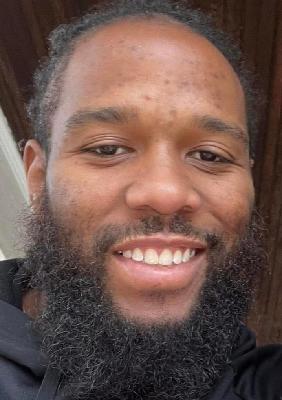
On May 31, 2015, Byron Driver, a 27-year-old Black male, was fatally shot while walking through the Austin neighborhood on Chicago’s West Side. The shooting occurred around 7:15 p.m., a time when the area was experiencing heightened levels of gun violence. Driver's death was one of two fatal shootings that happened within minutes of each other in the same neighborhood, suggesting a possible connection between the incidents, although specific details were not disclosed at the time.
Subsequent investigations led to the identification of a suspect: a 16-year-old male named Bailey. Authorities accused Bailey of gunning down Byron Driver as he walked through Austin. Given Bailey's age at the time of the alleged offense, details about the legal proceedings and his identity were limited due to juvenile confidentiality laws. However, the accusation marked a significant development in the case, indicating progress in the efforts to address the violence that had plagued the community.
The arrest of Bailey brought a measure of relief to the community, which had been grappling with the ramifications of ongoing violence. Law enforcement officials continued to investigate the circumstances surrounding the shooting to determine any additional suspects or motives. The case highlighted the challenges faced by communities like Austin, where systemic issues contribute to cycles of violence. Efforts to address these challenges have included calls for increased community engagement, investment in youth programs, and comprehensive strategies to enhance public safety.
Byron Driver's death underscored the urgent need for solutions to curb gun violence in Chicago's neighborhoods. Community leaders and residents have since advocated for policies and initiatives aimed at preventing such tragedies, emphasizing the importance of addressing the root causes of violence to create safer environments for all residents.