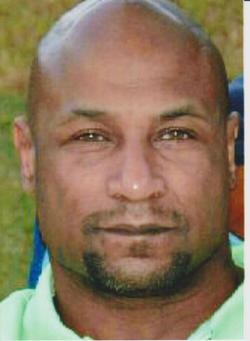
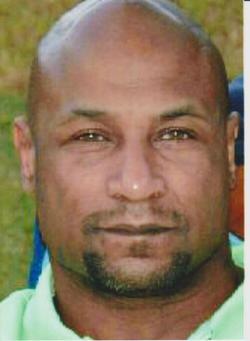
Tyler Jordan was a 19-year-old African-American man from Tulsa, Oklahoma, whose life was cut short on June 7, 2009, when an ordinary night with friends turned into sudden chaos. He was gathered with people he knew, part of the everyday social life of a young adult beginning to find his place in the world, when danger came not from within that circle but from the street outside.
According to later reconstructions of the case, a vehicle approached and gunfire erupted in a drive-by shooting, tearing through what moments earlier had been a routine evening. Tyler was struck by the bullets, mortally wounded in an attack that appeared to be aimed from the anonymity and distance of a passing car rather than a face-to-face confrontation.
The killing unfolded during what Tulsa authorities would later describe as a violent weekend across the city, a span of days marked by multiple homicides that left neighborhoods shaken and investigators stretched thin. Tyler’s death quickly became one more name in a grim tally, but to those who knew him it was not a statistic; it was the sudden, senseless loss of someone who should have had decades of life ahead. Emergency responders and police converged on the scene, cordoning off the area and trying to piece together what had happened as friends and bystanders struggled to process how quickly the night had turned from familiar to catastrophic. The randomness of a drive-by shooting, in which a shooter remains shielded by a moving vehicle and the dark, gave the crime a particularly unsettling quality for residents already uneasy about rising violence.
Detectives from the Tulsa Police Department opened a homicide investigation and began the painstaking work of canvassing the neighborhood, looking for anyone who had seen the vehicle, heard the shots clearly, or caught a glimpse of whoever was inside. Publicly available accounts describe how the investigation was hindered almost from the beginning by a reluctance among potential witnesses to share what they knew. A “no snitch” culture, as it has been called in later summaries of the case, made people wary of talking to police, whether out of fear of retaliation, distrust of authorities, or a belief that staying silent was safer than stepping forward. That silence left investigators with fragments instead of a complete picture, and the case that had begun with frantic activity at the crime scene soon settled into the slower rhythm of a file that was proving difficult to move forward.
Local television coverage at the time reported that police were still seeking a suspect in connection with the drive-by shooting and appealed to the public for information, underscoring that whoever was responsible had not yet been brought into custody. The framing of those reports—emphasizing that a suspect was “still sought”—captured the limbo the case entered: there were leads and a sense that investigators had some idea where to look, but no resolution that ended with a person in handcuffs and charges filed in court. Subsequent overviews of the case note that the department continued to face obstacles in identifying and securing solid evidence against any particular individual, and no publicly documented arrest or indictment tied specifically to Tyler’s killing has surfaced in the years since.
As time passed, the shock of the shooting gave way to a more lingering grief, the kind that settles in when there are no clear answers and no trial to explain what happened or why. Tyler’s name now appears in compilations of unsolved homicides, his case described as one that remained open for an extended period and, by all available indications, still lacks a formally identified and prosecuted perpetrator. Online memorials and case summaries keep the facts of that night alive: the date, the city, the drive-by, the gathering with friends, and the unanswered question of who pulled the trigger. They also reflect a quieter hope that someone who was there, someone who heard or saw more than they were ready to admit in 2009, might one day come forward. Until that happens, Tyler Jordan’s story remains that of a young life ended in an instant and a community left with an enduring absence where justice should be.