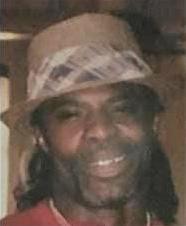
Jamal Barkus, a 41-year-old African-American / Black man, was killed by gunfire on the night of December 31, 2016, inside a modest home in northeast Oklahoma City, turning what should have been a night of anticipation into one of sudden loss. Police were called at about 11:29 p.m. to a house in the 900 block of Northeast 19th Street, near the intersection of NE 23rd Street and Kelley Avenue, after reports of a shooting.
Officers entered the residence and found Barkus inside, already beyond help, and he was pronounced dead at the scene. Early reports from local media and police indicated that he appeared to have been shot to death, and the scene was immediately treated as a homicide.
The timing of the killing lent it a grim symbolism. In its coverage of the city’s year-end crime statistics, local news described how Barkus’s death became the final homicide recorded in Oklahoma City for 2016, the seventy-eighth killing of the year. Just a little more than an hour earlier that same night, officers had already been called to another fatal shooting elsewhere in the city, underscoring how the closing hours of the year were marked by back-to-back violence instead of celebration. In that context, the quiet residential block where Barkus was found became one more entry on a growing list of addresses associated with sudden, lethal encounters.
Detectives opened a homicide investigation, but the trail appears to have gone cold quickly. Reports at the time noted that there were no suspects in the case, and police said they had not made any arrests in connection with the shooting. Over the years that followed, public summaries of the case have continued to emphasize its unresolved status: descriptions still list it as an unsolved “death by force,” and authorities have repeatedly urged anyone with information to contact the Oklahoma City Police Department’s homicide tip line in hopes of finally identifying whoever pulled the trigger that night.
Today, Barkus’s name appears in online homicide databases and on sites that catalog unsolved killings in Oklahoma City, often noted specifically as the last homicide of 2016, a case added to the record but never cleared. The address where he was found is cited in property and crime registries as the scene of an unsolved shooting, a small line of text that hints at the violence that occurred there while offering no explanation for why it happened or who was responsible. Nearly a decade later, his killing remains officially open, a New Year’s Eve tragedy frozen in time while his family and community continue to wait for answers that have yet to come.