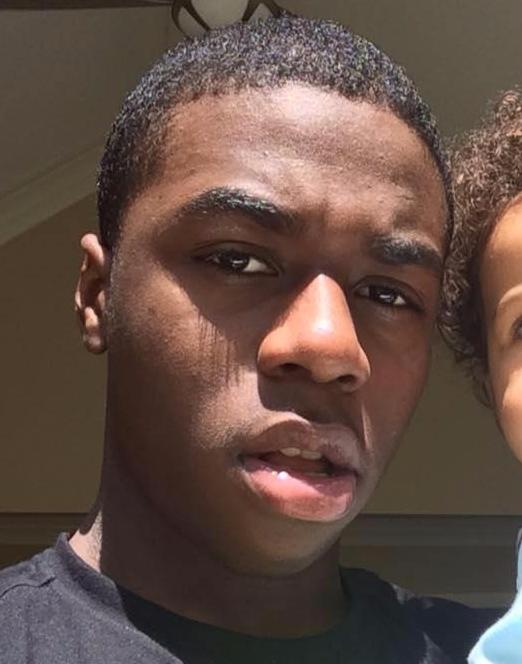
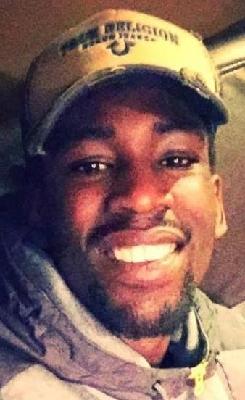
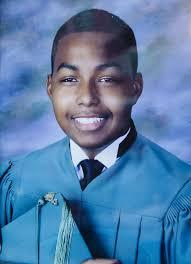
Dustin Yeates was a 31-year-old man with a bright future he was actively building. A senior at John Jay College of Criminal Justice, the aspiring police officer was just a few credits shy of earning his degree. Remembered by his family as a talented high school basketball player who made up for his 5-foot-7 stature with speed on the court, he was a quiet and humble person. His mother, Donna Rayside, described him as her only child, someone who hadn't been in a fight since the fifth grade. He lived just a few blocks from where his life would be tragically cut short, and he dreamed of a career in law enforcement or working with children.
In the early hours of Memorial Day, May 27, 2013, Dustin was at Club Tracks on Ralph Avenue in the East Flatbush neighborhood of Brooklyn, New York. Around 2:10 a.m., a dispute broke out inside the club, reportedly over something as trivial as someone's toes being stepped on.
Security guards began ushering patrons out of the club and onto the sidewalk to quell the disturbance. As the crowd spilled onto the street, a gunman opened fire, spraying bullets into the group of people. Dustin Yeates, a Black man, was struck four times in the torso. He was rushed to Kings County Hospital, but he was unconscious and unresponsive and was pronounced dead.
The chaotic gunfire also wounded a 26-year-old woman, Rackel Smith, who was shot in the knee but survived. Police did not believe Yeates and Smith knew each other and were uncertain if either was involved in the initial dispute inside the club. Investigators from the New York Police Department (NYPD) recovered 14 9mm shell casings from the scene, but no immediate arrests were made. His mother was adamant that her son was not the intended target and had not been fighting with anyone.
The investigation into Dustin's murder was assigned to the 63rd Precinct. In the months that followed, his mother, Donna Rayside, grew increasingly frustrated with the lack of progress. She felt the case was not receiving the attention it deserved, fearing police had dismissed it as "one black guy against another." By January 2014, NYPD Detective Anthony Cheatham confirmed the investigation was still active and that all leads were being pursued, but the case remained unsolved. The pain of living in the city where her only child was killed became too much for Rayside, who eventually packed up her home and moved to Florida to escape the constant reminders and what she described as nightly gunshots in her neighborhood.
Rayside became a vocal advocate for justice, not just for her son but for other families of homicide victims in New York's outer boroughs who felt their cases were being neglected. She joined other mothers and elected officials at a City Hall press conference in January 2014 to call for more detectives and resources to be allocated to precincts in Brooklyn, the Bronx, and Queens, where clearance rates for homicides, particularly those involving Black victims, were significantly lower than in Manhattan.
Believing that people in the community knew the identity of the shooter but were not coming forward, Donna Rayside took matters into her own hands. Desperate for a breakthrough, she used $8,000 of her own savings to increase the reward for information. Combined with the standard reward, the total offered for any tip leading to the arrest and conviction of her son's killer became $10,000. As of January 2014, the case remained open and unsolved, with a mother left to dream of her son and hope for the justice he was denied.