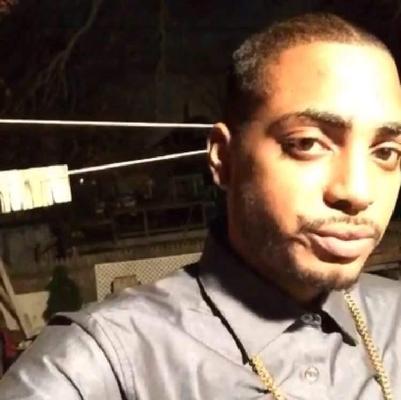
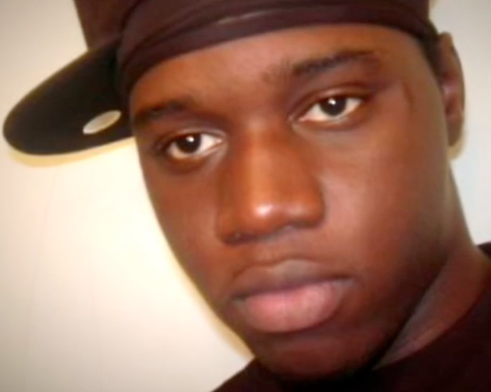
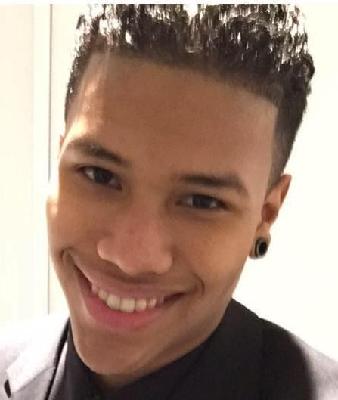
In the spring of 2006, a wave of violence was rising in Boston, a year that would ultimately end with one of the highest homicide counts in a decade. It was against this backdrop of increasing bloodshed that another life was abruptly and permanently cut short. Alan McNeal, a 32-year-old man, became a victim of the city’s escalating gun violence, his death leaving behind a painful silence and a case that remains unsolved to this day. Very little is publicly known about Alan, the man he was, or the life he was building. The absence of this information in public records only deepens the tragedy, leaving a portrait of a life defined more by its violent end than by the years that preceded it.
The fatal incident occurred on Thursday, May 18, 2006. That day, officers from the Boston Police Department were dispatched to 29 West Tremlett Street in the city’s Dorchester neighborhood following a report of a person shot.
When they arrived at the residential address, they found Alan McNeal suffering from gunshot wounds. He was pronounced deceased at the scene. The Office of the Chief Medical Examiner later conducted an autopsy and officially ruled the manner of death to be a homicide, confirming that Alan had been killed by another person.
The investigation into Alan’s murder was launched by the Boston Police Department’s Homicide Unit. In any homicide investigation, detectives meticulously process the crime scene, interview potential witnesses, and explore the victim's background for possible leads. However, the specific details of their investigation into Alan's death have never been publicly released. There has been no information shared regarding a potential motive, any persons of interest, or what Alan was doing on West Tremlett Street that day. The silence surrounding the case over the years suggests that investigators may have encountered significant challenges, such as a lack of physical evidence or reluctant witnesses.
The year Alan McNeal was killed was a particularly violent one for Boston. After years of declining crime rates, the city saw a significant spike in homicides, with 75 people losing their lives, the highest number in ten years. Much of the violence was attributed to firearms and gang-related conflicts. This citywide context provides a grim backdrop to Alan's murder, one of many that contributed to a painful and bloody year for Boston's communities, particularly in neighborhoods like Dorchester. Dorchester, Boston's largest and one of its most diverse neighborhoods, has a rich history but has also contended with periods of significant street violence.
For the families of homicide victims, the pain of their loss is often compounded when a case goes unsolved. The lack of answers, the absence of justice, and the knowledge that the person responsible has not been held accountable creates a wound that never fully heals. It leaves loved ones in a state of perpetual uncertainty, grappling with questions that may never be answered. This enduring trauma affects not only the immediate family but ripples outward, impacting entire communities and fostering a sense of insecurity and distrust.
As of today, the murder of Alan McNeal remains an open and unsolved case with the Boston Police Department. It is listed on the department's official registry of unsolved homicides from 2006, a stark reminder of a life taken and a crime yet to be punished. The Boston Police Department continues to seek information from the public on all its unsolved cases. Anyone with information regarding the shooting death of Alan McNeal is urged to contact the Boston Police Homicide Unit at (617) 343-4470. For those who wish to remain anonymous, tips can be submitted through the Crime Stoppers Tip Line at 1 (800) 494-TIPS.