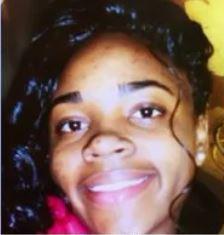
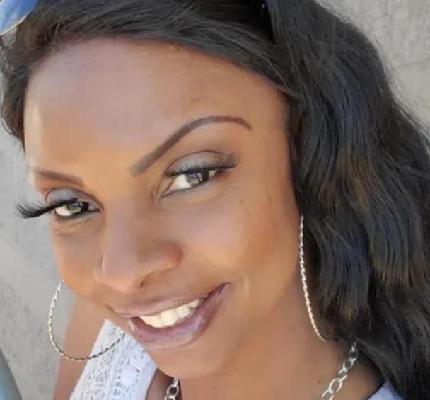
On a summer day in Chicago, Thursday, August 6, 2009, a 36-year-old woman named Shannon Williams was found dead in an alley. Her life had been taken by strangulation, a violent end to a story that remains largely untold. Very little is known publicly about Shannon, who she was, what she loved, or the dreams she held. Her death, however, placed her on a list of names that has cast a long and terrifying shadow over the city—the victims of a possible serial killer, or killers, sometimes referred
to as the Chicago Strangler.
Shannon’s case is one of at least 51 unsolved homicides of women in Chicago between 2001 and 2018 that have been identified as a potential cluster. The victims, predominantly Black women, were often left in desolate places: alleys, abandoned buildings, garbage bins, and snowdrifts. The cause of death was almost always the same—strangulation or asphyxiation. This grim pattern was analyzed by the Murder Accountability Project, a nonprofit organization that uses a computer algorithm to detect potential serial homicides. For years, their algorithm signaled a "red alert" for this series of strangulations on the city's South and West Sides.
The vast majority of these cases remain unsolved, leaving a trail of unanswered questions and grieving families. The Chicago Police Department has historically stated that they have not found definitive evidence linking the murders to a single killer. However, the sheer number of similar cases has led community activists and victims' families to demand more attention and resources, fearing that the lives of these women have been unjustly forgotten. They argue that no matter the circumstances of their lives, each woman was a human being whose life was valuable and whose killer should be brought to justice.
While Shannon's personal story is lost to the silence of her unsolved case, the life of another victim in the series offers a glimpse into the humanity of the women who were taken. Gwendolyn Williams, 44, was found raped and strangled behind a dollar store on June 12, 2002. Her family remembers her as a protector, the oldest of six children who was raised by a single mother on the South Side. Her sister Sharon Pritchett described her as a fashionista and a fierce animal lover who was always there for her family. "She was the best big sister a girl could ever ask for," Sharon said. "She would do anything for me."
Gwendolyn was a fighter, and evidence suggested she fought for her life. For years, her family held onto hope for justice. That hope was briefly ignited when DNA evidence led investigators to a potential suspect years later, but charges were never filed due to what prosecutors deemed insufficient evidence. The pain of that unresolved loss remains sharp for her loved ones. "If you don't have justice, you don't have closure," her sister explained. "We go visit her at her grave knowing someone got away with it and it just hurts."
The investigation into the series of strangulations has been complex and frustrating. In the dozens of unsolved cases, DNA evidence has been recovered in fewer than half, and those samples have not matched one another, complicating the theory of a single perpetrator. Still, the chilling similarities in the method of killing and the disposal of the bodies continue to suggest that one or more serial predators have been operating in Chicago for years.
For now, Shannon Williams’ case remains cold. She is remembered as one of the "Unforgotten 51," a name given to the group of victims by journalists and advocates working to keep their stories alive. Without a suspect or a conviction, her death is a stark reminder of the many women lost in a wave of violence that has left deep wounds in the heart of a city and in the lives of the families still waiting for answers.