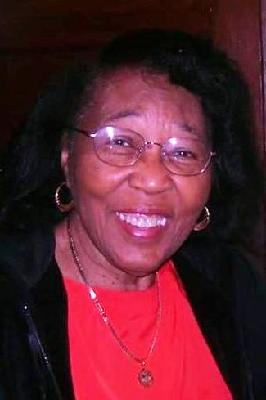
In the autumn of 2006, the body of a 34-year-old woman named Kelly Sarff was discovered in the basement of an abandoned building on Chicago's West Side. Her death was violent and solitary, and her case would become a grim statistic in one of the city's most disturbing patterns of unsolved crimes. While the public record of Kelly’s life is sparse, a message left on a memorial page years later offers a glimpse of the woman who was lost. "Love you Mama!" it reads, "Wish you were here!
We'll find out who did this to you!" The words, left by someone named Amanda Witt, paint a picture of a beloved mother whose life was cut short, leaving behind a family still hoping for answers.
On September 24, 2006, authorities were called to the 3500 block of West Monroe Street in the East Garfield Park neighborhood. Inside a derelict building at number 3512, they found Kelly. An autopsy would later confirm she had been strangled to death. The location and manner of her death were chillingly familiar to investigators, echoing other cases that had been accumulating across the South and West Sides of the city for years. The discovery placed Kelly on a list that no one wants to be on: a victim in a string of unsolved homicides.
Kelly Sarff is recognized as one of at least 51 women, and possibly as many as 75, who were killed in Chicago between 2001 and 2018 in a series of murders attributed to a possible serial killer, or killers, sometimes referred to as the Chicago Strangler. The Murder Accountability Project, a nonprofit organization that analyzes homicide data, identified this alarming cluster of unsolved cases. The victims, many of whom were Black, were often found in vacant buildings, alleys, or garbage cans, and the cause of death was consistently strangulation or asphyxiation.
The investigation into this series of killings has been fraught with challenges. The victims were often vulnerable individuals from marginalized communities, and their deaths did not always receive significant media attention, leaving families to grieve in obscurity. Over the years, activists and journalists have worked to bring attention to the pattern, pressuring the Chicago Police Department to dedicate more resources to these cold cases. While police have reviewed the 51 cases identified by the Murder Accountability Project, they have not officially confirmed that a single serial killer is responsible, and the vast majority of the murders, including Kelly's, remain unsolved.
In the years since Kelly Sarff was killed, her case has been kept alive primarily through the efforts of organizations and individuals dedicated to remembering the victims. A website called Never Forget Chicago includes a memorial for Kelly, noting simply that she "was 34 years of age when she was killed as a result of Strangling." It is on this page that the heartbreaking messages from loved ones can be found, a testament to the personal void her murder created.
Today, Kelly’s case remains open, one of dozens of similar tragedies that have left a scar on the city of Chicago. The identity of her killer, and whether that person is responsible for other deaths, is unknown. For the families of the victims, the passage of time does not dull the pain or the desire for justice. The promise made on Kelly's memorial page—"We'll find out who did this to you!"—is a powerful reminder of the enduring hope for a resolution that has yet to come.