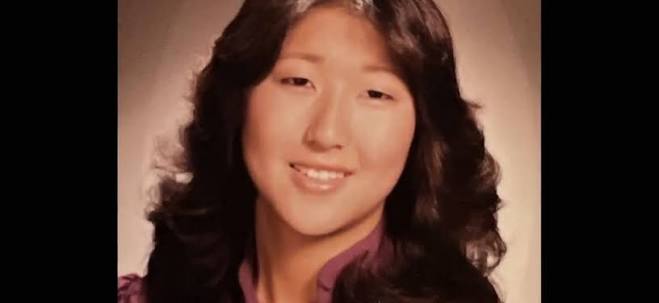
On the evening of August 25, 1969, seventeen-year-old Rosemary Calandriello left her family’s home on Center Avenue in Atlantic Highlands, New Jersey. Her mother had given her two dollars to walk to a local store, just two blocks away, to buy milk and ice pops for the family. Rosemary, the youngest of four children and the only one still living at home, was a shy and bookish girl who had only recently started dating.
Due to her father's poor health, she had taken on many household responsibilities, including shopping. Her parents were strict, and she was not allowed out at night unless accompanied by them. When she didn't return from the short errand, her mother reported her missing to the police just two hours later.
The investigation into Rosemary's disappearance began immediately. Authorities canvassing the neighborhood soon found four of her high school classmates who reported seeing her that evening. They saw Rosemary riding as a passenger in a beat-up black and white Ford Galaxy convertible, driven by an older man they didn't recognize. This was a crucial lead, as Rosemary's family insisted she would not have run away. The boys’ description of the car and the man helped police create a composite sketch that was released to the public.
A significant break came when police connected the sighting to a report made two days prior. Two young girls in the nearby town of Leonardo had reported a man in a similar car trying to lure them into his vehicle. One of the girls had memorized the license plate number. The car was traced to Robert Zarinsky, a former grocer from Linden. On August 27, Zarinsky was arrested, and his Ford Galaxie was impounded. The four boys who had seen Rosemary in the car identified Zarinsky in a lineup. A search of his vehicle revealed unsettling evidence: the interior door and window handles on the passenger side were missing, one of Rosemary’s hair clips was on the floor, and a ball-peen hammer with a bloodstained hair was found.
Despite the circumstantial evidence, the initial charge against Zarinsky for abduction was dismissed in 1970 due to delays in bringing the case to a grand jury. For years, the investigation continued while Rosemary's family waited for answers. Zarinsky, meanwhile, reportedly boasted to acquaintances that he couldn't be prosecuted for her murder because her body would never be found. This confidence proved to be his undoing. Based on these new reports and the existing evidence, authorities charged Zarinsky with Rosemary’s murder in February 1975.
The subsequent trial was a landmark case in New Jersey's legal history. In 1975, Robert Zarinsky was convicted of first-degree murder and sentenced to life in prison, becoming the first person in the state to be convicted of murder without the victim's body ever being found. The conviction was upheld on appeal, setting a legal precedent. For years, Zarinsky maintained his innocence, denying he had ever even met Rosemary. However, he later changed his story, offering conflicting accounts. At one point, he told a cellmate no one would ever find her body. During a parole hearing, he claimed he had killed her accidentally by backing over her with his car in a local lover's lane. He also gave different stories about the disposal of her body, once saying he buried it in northwest New Jersey and another time claiming he had thrown it into the Atlantic Ocean.
Robert Zarinsky was a serial killer, a fact that became clearer over time. He was a suspect in as many as seven other killings between 1965 and 1969. In 2008, he was indicted for the 1968 murder of 13-year-old Jane Durrua, who had been raped, beaten, and strangled. Years after his death, in 2016, DNA evidence conclusively linked him to the 1965 murder of 18-year-old Mary Agnes Klinsky. He was also the prime suspect in the murder of 17-year-old Linda Balabanow, whose body was found in the Raritan River just four months before Rosemary disappeared.
Zarinsky died in prison from pulmonary fibrosis in December 2008 while awaiting trial for Jane Durrua's murder. He took with him the secret of Rosemary Calandriello's final resting place. Her body has never been recovered, leaving her family without the closure of a proper burial. The conviction, however, ensured that a dangerous predator was removed from society, bringing a measure of justice for the shy, dependable teenager who went to the store one summer evening and never came home.