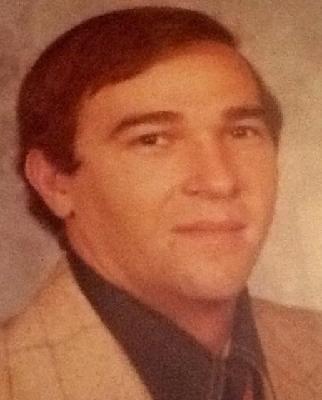
In the spring of 2000, Gregory Julious, a tall, 20-year-old African-American man, was living with his girlfriend, Dana Bostic, and her children in Chillicothe, Ohio. Described by a forensic anthropologist as standing between six feet and six feet, six inches tall, he kept his personal belongings, including his ID, at Bostic's home. He had become acquainted with a man named Gregory B.
McKnight, who was dating a friend of Bostic's and would sometimes visit the house.
On the afternoon of Friday, May 12, 2000, Bostic came home from work to find Julious and McKnight in her kitchen. Julious was dressed only in his boxer shorts. Bostic left for about an hour to pick up her son, and when she returned, both men were gone. The scene she found was unsettling; candles were still burning, and the door was unlocked, as if Julious had just stepped out for a moment and was expected right back. All his clothes and personal items remained in the house.
Worried when Julious didn't return, Bostic paged McKnight. Later that evening, McKnight called back and put Julious on the phone. Julious told Bostic he was in Columbus at a friend of McKnight's and that they were going to a block party. The call felt strange to Bostic; she later described it as "very unusual," saying Julious ended the conversation abruptly without letting her ask any questions. It was the last time she ever spoke to him. For seven months, Gregory Julious was simply gone.
The break in the case came through the investigation into another disappearance. On November 3, 2000, a 20-year-old Kenyon College student named Emily Murray, who worked with McKnight, vanished. On December 9, deputies went to McKnight's rural property in Vinton County to serve an unrelated indictment and discovered Murray's car. Inside a trailer on the property, they found her body wrapped in a carpet; she had been shot in the head.
This grim discovery prompted a wider search of McKnight's property. Investigators soon found more human remains scattered in a cistern, a root cellar, and a plastic bag. Some of the bones had been burned. A forensic dentist used dental records to positively identify the skeletal remains as those of Gregory Julious. His girlfriend, Dana Bostic, was able to identify the tattered remains of the boxer shorts found with him as the ones he was wearing the day he disappeared. Further investigation revealed bloodstains on the carpet of the vehicle McKnight was driving when Julious went missing; DNA analysis confirmed the blood was a match to Julious.
Gregory B. McKnight, who had a previous juvenile conviction for a 1992 murder, was charged with the killings. His trial began on October 1, 2002. Prosecutors presented evidence of the dismemberment and the gunshot wound to Julious's skull. On October 10, 2002, a jury found McKnight guilty of the murder of Gregory Julious and the aggravated murder and kidnapping of Emily Murray, in addition to other charges including aggravated robbery and receiving stolen property.
For the murder of Gregory Julious, McKnight was sentenced to 15 years to life in prison. For the aggravated murder of Emily Murray, he was sentenced to death. The discrepancy in the sentences was due to prosecutors not seeking the death penalty for Julious's murder because of uncertainty about the exact cause of death at the time. This decision later became a point of contention, with McKnight's attorneys alleging racial bias, arguing that the state pursued kidnapping charges and the death penalty for the white victim, Murray, but not for the Black victim, Julious, despite similar circumstances.
Years later, in 2020, McKnight sought a new trial, alleging that white jurors had used racial slurs during the deliberations for both murders. Despite these appeals, his convictions have been upheld. Gregory McKnight remains on death row in Ohio, though his execution is not currently scheduled as the state has a long-term hold on carrying out the death penalty.