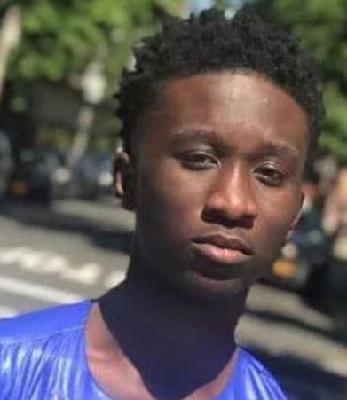
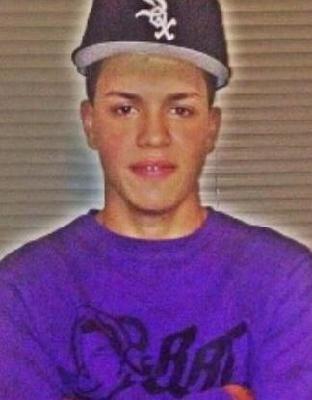
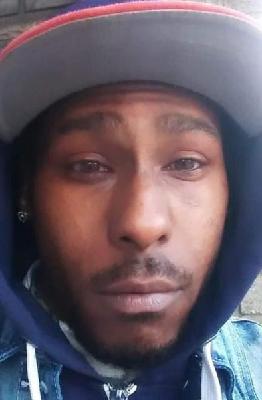
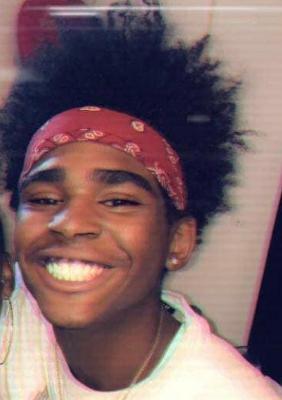
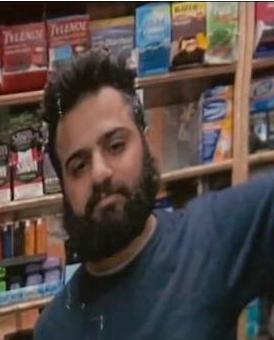
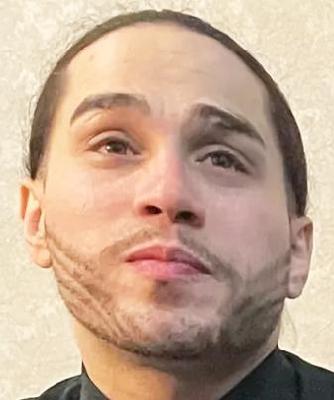
On the morning of October 29, 2026, Javits Frimpong, a 15-year-old Black male originally from Ghana, was walking to school in the Bronx, New York, when his life was tragically cut short by gun violence. Javits had immigrated to the United States approximately one year earlier to live with his father, Thomas Frimpong, in pursuit of a better education and greater opportunities. He was a tenth-grade student at DreamYard Preparatory School and had aspirations of becoming a physician and possibly serving in the military. His family described him as a quiet, ambitious, and respectful young person who was focused on his education and his future. What should have been an ordinary school morning turned into a devastating tragedy when Javits was confronted and pursued by several individuals near East 171st Street and Crotona Place in the Claremont section of the Bronx, only a short distance from his home.
At approximately 9:24 a.m., officers from the New York City Police Department's
42nd Precinct responded to a 911 call reporting that someone had been shot near East 171st Street and Crotona Place. When officers arrived, they discovered Javits suffering from a gunshot wound to his abdomen. Surveillance footage obtained during the investigation showed three individuals chasing him through the neighborhood before shots were fired. The footage captured the frightening final moments of his attempt to escape his pursuers. After being wounded, Javits collapsed on the sidewalk. Responding officers transported him to St. Barnabas Hospital, where medical personnel attempted to save his life. Despite those efforts, he was pronounced deceased. The shooting occurred near the route he traveled to school, transforming a familiar neighborhood street into the scene of a homicide investigation.
Investigators immediately began searching for the individuals responsible. Initial descriptions indicated that police were looking for three teenage males, believed to be approximately 16 to 18 years old, who had reportedly been wearing dark clothing and blue surgical masks. Detectives reviewed surveillance recordings from nearby businesses and residential buildings, attempting to reconstruct the suspects' movements before and after the shooting. The circumstances raised questions about whether Javits had been deliberately targeted. His father revealed that Javits had complained about being bullied at school in the days preceding his death. Family members reported that two students had previously been suspended in connection with bullying incidents involving him. Investigators examined whether those allegations had any connection to the homicide, although authorities did not publicly establish bullying as the motive. The possibility of a robbery was also considered, but the precise reason for the attack remained uncertain.
The killing devastated Javits' family, particularly his father, who had brought him to the United States hoping to provide opportunities that would help him build a successful future. Thomas Frimpong described the overwhelming heartbreak of losing his son after such a short time together in America. Javits' mother, Doris Adu Gyamfi, was living in Ghana when she learned of his death. Her circumstances drew national attention as officials worked to facilitate her travel to the United States to mourn her son and participate in funeral arrangements. New York City Mayor Zohran Mamdani requested assistance from President Donald Trump in obtaining an emergency visa, which was subsequently granted. The family received support from members of the Ghanaian community, neighborhood residents, religious leaders, and civil rights advocates. Attorney Ben Crump and Reverend Al Sharpton became involved in public efforts seeking accountability and justice for Javits.
A significant development occurred on November 11, 2026, when NYPD detectives arrested a 17-year-old male in connection with the homicide. The teenager was taken into custody within the jurisdiction of the 42nd Precinct at approximately 4:50 a.m. and was charged with murder, manslaughter, and criminal possession of a weapon. Some news reporting identified the accused teenager as Thierno Jalloh, although other outlets withheld his identity because of his age. The arrest followed an investigation involving surveillance recordings, witness information, and other evidence collected by detectives. Authorities emphasized that the investigation remained active and that two additional individuals believed to have participated in the attack had not been apprehended. The arrest represented an important development for Javits' family, but it did not resolve every question surrounding the shooting.
On November 12, 2026, the accused teenager appeared in Bronx Criminal Court as the criminal proceedings began. Javits' relatives, supporters, and attorney Ben Crump attended the proceedings and continued demanding accountability for everyone involved in the killing. Prosecutors began presenting evidence to a grand jury, while investigators continued reviewing the surveillance footage and seeking the other individuals believed to have participated in the pursuit. The available evidence suggested that three people were involved in chasing Javits, but authorities had not determined publicly whether all three had fired weapons or precisely how their individual actions contributed to his death.
Further details emerged during a court hearing on November 17, 2026. Prosecutors described an extensive sequence of surveillance recordings that allegedly tracked the accused teenager leaving his residence, visiting a neighborhood convenience store to purchase a mask, meeting with two other individuals, and waiting near Crotona Park before Javits approached. According to the prosecution's account, the three individuals then pursued Javits. The recordings allegedly showed one of the other participants firing a weapon at Javits, causing him to fall. Prosecutors stated that the arrested teenager subsequently obtained the firearm and fired additional shots toward the wounded victim. These allegations raised the possibility that the individual who initially shot Javits was still unidentified or at large. Prosecutors also described cellphone evidence and other investigative findings they believed connected the arrested teenager to the incident. The evidence presented in court remained subject to further examination and challenge as the case proceeded.
During the November 17 hearing, a judge ruled that the accused teenager's case would remain in Bronx County Supreme Court rather than being handled as a juvenile proceeding. As a result, he would face prosecution in adult criminal court despite being under 18 years old. The defendant faced serious felony allegations, including murder, manslaughter, and criminal possession of a weapon. His next court appearance was scheduled for December 21, 2026, although prosecutors indicated that the date could change depending on the grand jury proceedings. As of November 22, 2026, no conviction or sentence had been reported. The defendant remained presumed innocent unless and until proven guilty in court. Investigators were also continuing their efforts to identify and apprehend the two other individuals allegedly involved in the shooting, and no additional arrests had been publicly confirmed.
Meanwhile, Javits' family and the surrounding community continued to mourn a young life lost to violence. On November 20, 2026, relatives, friends, and supporters gathered at New Covenant Christian Ministries for his funeral. The emotional service reflected both the family's profound grief and the ambitions that Javits would never have the opportunity to fulfill. His father spoke about the future he had envisioned for his son and the pain of having to bury him instead of celebrating his accomplishments. His mother remembered Javits as her only child and spoke about the day she had hoped to see him become a doctor. Their words underscored the enormous personal loss behind a case that had attracted attention far beyond the Bronx. Community advocates continued calling for accountability, while also raising concerns about youth violence, access to firearms, and the safety of students traveling to and from school.
The death of Javits Frimpong remains a heartbreaking example of how quickly violence can destroy a family's hopes for the future. Having traveled from Ghana to New York in search of educational opportunities and a better life, Javits had barely begun pursuing the dreams that brought him to America. Instead, he was fatally shot during his morning journey to school, leaving his parents, classmates, friends, and community struggling to understand why he had been targeted. Although the arrest of a teenage suspect marked substantial progress in the investigation, important questions remained regarding the motive, the roles of the other individuals involved, and whether additional criminal charges would follow. As of November 22, 2026, the homicide investigation and criminal proceedings were continuing, with one defendant facing prosecution in adult court and two other suspected participants still being sought by authorities. The case stands as both an ongoing pursuit of justice and the story of a promising student whose life ended before he could realize the future his family had worked so hard to provide.